

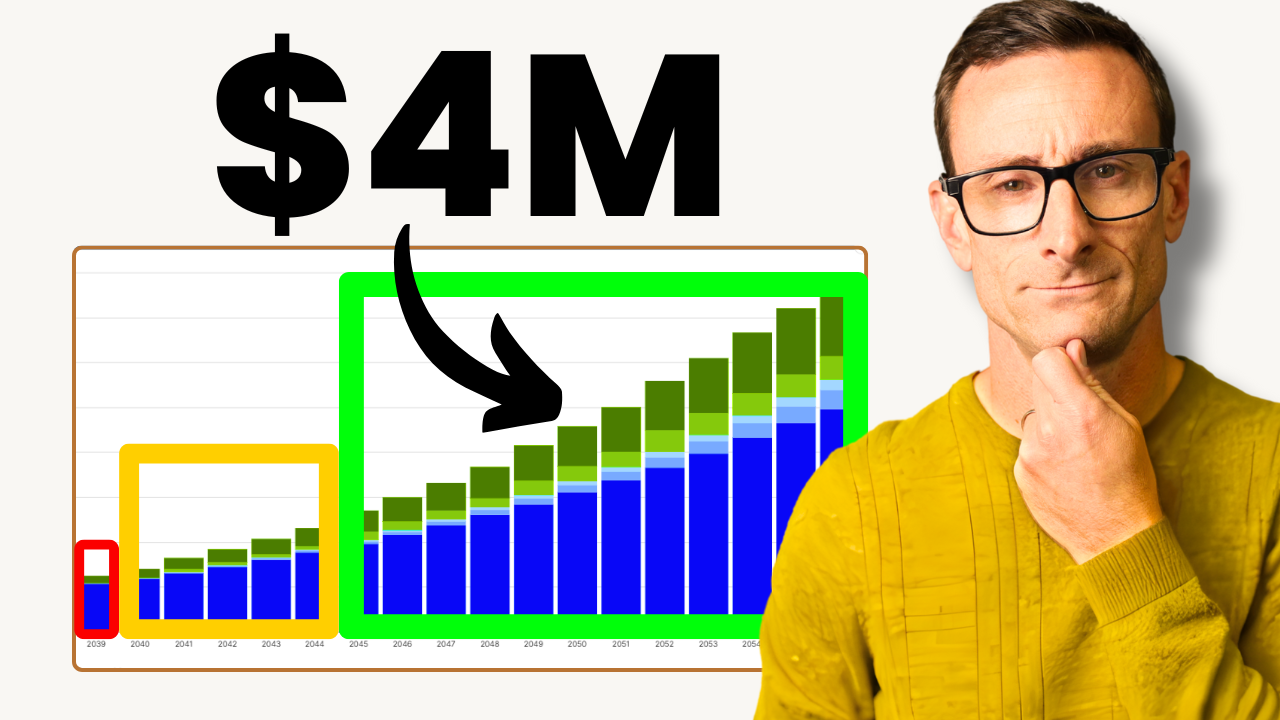
Designing a successful $4 million retirement plan requires more than simply choosing a risk profile or following age-based investment models. For those entering retirement with a sizable portfolio, strategic asset allocation and income planning are essential to protect wealth and support long-term goals. In this case study, we explore how Paul and Susan structured their retirement portfolio to meet their needs with clarity and confidence.
Resources:
Why Basic Allocation Models Fall Short
Many retirees default to simplistic investment strategies based solely on age or risk tolerance. While those factors provide a starting point, they often overlook the complexity of income needs, spending patterns, and longevity risk. For a $4 million retirement plan to be effective, it must be customized to reflect real-world financial demands.
Paul and Susan recognized this. Instead of relying on generalized advice, they took a more strategic approach by aligning their investments with expected expenses over time.
Segmenting the Portfolio for Success
Their $4 million portfolio was divided into three strategic segments:
-
Short-Term Needs (Years 1–5)
To cover near-term living expenses, this portion of the portfolio was held in cash and short-term bonds. The goal was liquidity and stability, ensuring that market volatility would not impact essential spending. -
Mid-Term Growth and Income (Years 6–15)
The mid-term bucket consisted of dividend-paying stocks and intermediate-term bonds. This mix offered a balance between income and moderate growth, designed to replenish the short-term bucket as it was spent down. -
Long-Term Growth (Years 15 and Beyond)
The long-term segment was invested primarily in equities to capitalize on growth over a longer horizon. Since these funds wouldn’t be needed for over a decade, they were positioned to ride out short-term market fluctuations.
This layered strategy provided structure and flexibility, allowing the couple to plan with confidence regardless of market conditions.
Tax-Smart Withdrawal Strategies
An important feature of their $4 million retirement plan was tax efficiency. By coordinating withdrawals from different types of accounts—taxable, tax-deferred, and Roth—they reduced their overall tax liability. This careful planning helped preserve more of their capital while meeting annual income needs.
Additionally, managing required minimum distributions (RMDs) played a crucial role in avoiding unnecessary tax penalties and smoothing their taxable income over time.
Tailored Planning Drives Better Outcomes
Paul and Susan’s experience underscores that an effective $4 million retirement plan isn’t one-size-fits-all. Every detail—from account structure to investment selection—should reflect the retiree’s specific goals, timeframes, and financial situation. When done right, a well-crafted plan supports not only financial security but peace of mind.
Seek Professional Guidance
Join the 964+ other retirees and get weekly articles and videos to help you retire with confidence.
Subscribers also gain access to our private monthly client memo.
This does not constitute an investment recommendation. Investing involves risk. Past performance is no guarantee of future results. Consult your financial advisor for what is appropriate for you. Disclosures: https://onedegreeadvisors.com/disclosure/