

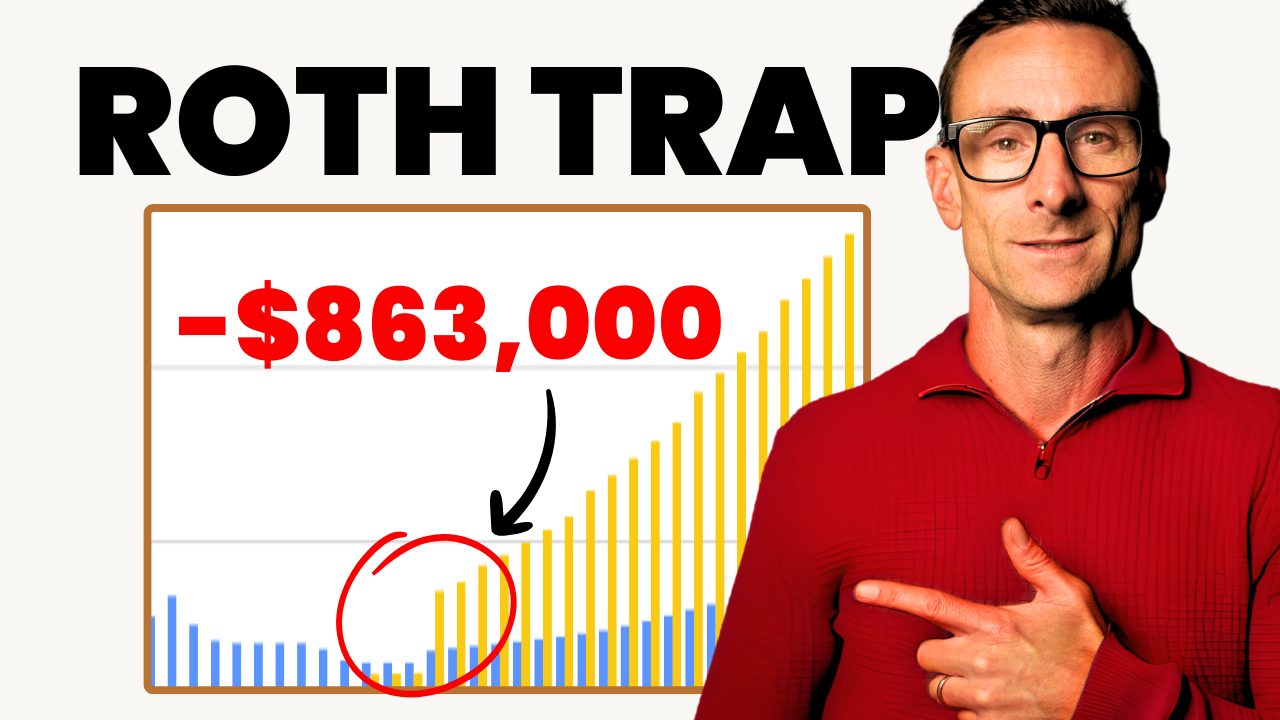
If you’re approaching or already in retirement, you’ve likely asked yourself: Should I convert my IRA to a Roth? This is one of the most critical financial questions for retirees with sizable traditional IRA balances. With potential tax savings and long-term flexibility at stake, it’s important to understand the strategy behind Roth conversions before making a decision.
Resources:
Why This Question Matters
Traditional IRAs are tax-deferred, meaning you haven’t paid income tax on those savings yet. But once you reach age 73, required minimum distributions (RMDs) kick in—whether you need the income or not. These mandatory withdrawals can push you into a higher tax bracket, increase Medicare premiums, and reduce the net value of your retirement income.
One retiree in her 70s discovered that her IRA withdrawals had ballooned beyond her actual needs, creating a tax burden she hadn’t planned for. Her story is a cautionary tale for those wondering whether to convert their IRA to a Roth before RMDs begin.
Why Timing Is Everything
Roth conversions involve paying taxes now on the amount you convert—but in exchange, you gain tax-free growth and distributions in the future. This can be a smart move during lower-income retirement years, especially before RMDs begin.
For example, a couple with a $2 million IRA and no debt made proactive conversions in early retirement. Their goal: avoid higher taxes later and preserve more of their wealth. Their strategy highlights a key point—timing matters.
Should I Convert My IRA to a Roth Early?
The answer often depends on your current and future tax situation. To determine whether a Roth conversion is right for you, consider:
-
What tax bracket are you in now vs. later?
-
Can you pay the conversion tax from non-retirement funds?
-
How will future income streams (like Social Security or pensions) impact your taxes?
A multi-year conversion strategy can help you stay within a favorable tax bracket, allowing you to gradually shift assets to a Roth without triggering excessive taxes.
Use a Framework to Guide Your Decision
For retirees asking, “Should I convert my IRA to a Roth?”, the key is clarity. Projecting your income, modeling different tax scenarios, and weighing the impact of each conversion phase can help you build a strategy that aligns with your long-term financial goals.
Additional Benefits of a Roth IRA
Roth IRAs offer unique advantages: no RMDs during the account holder’s lifetime and tax-free inheritance potential for beneficiaries. For those asking, “Should I convert my IRA to a Roth to benefit my heirs?” the answer may well be yes—especially under current tax laws.
However, conversions aren’t one-size-fits-all. They require a clear-eyed analysis of your finances, goals, and retirement timeline.
Seek Professional Guidance
Join the 964+ other retirees and get weekly articles and videos to help you retire with confidence.
Subscribers also gain access to our private monthly client memo.
This does not constitute an investment recommendation. Investing involves risk. Past performance is no guarantee of future results. Consult your financial advisor for what is appropriate for you. Disclosures: https://onedegreeadvisors.com/disclosure/