

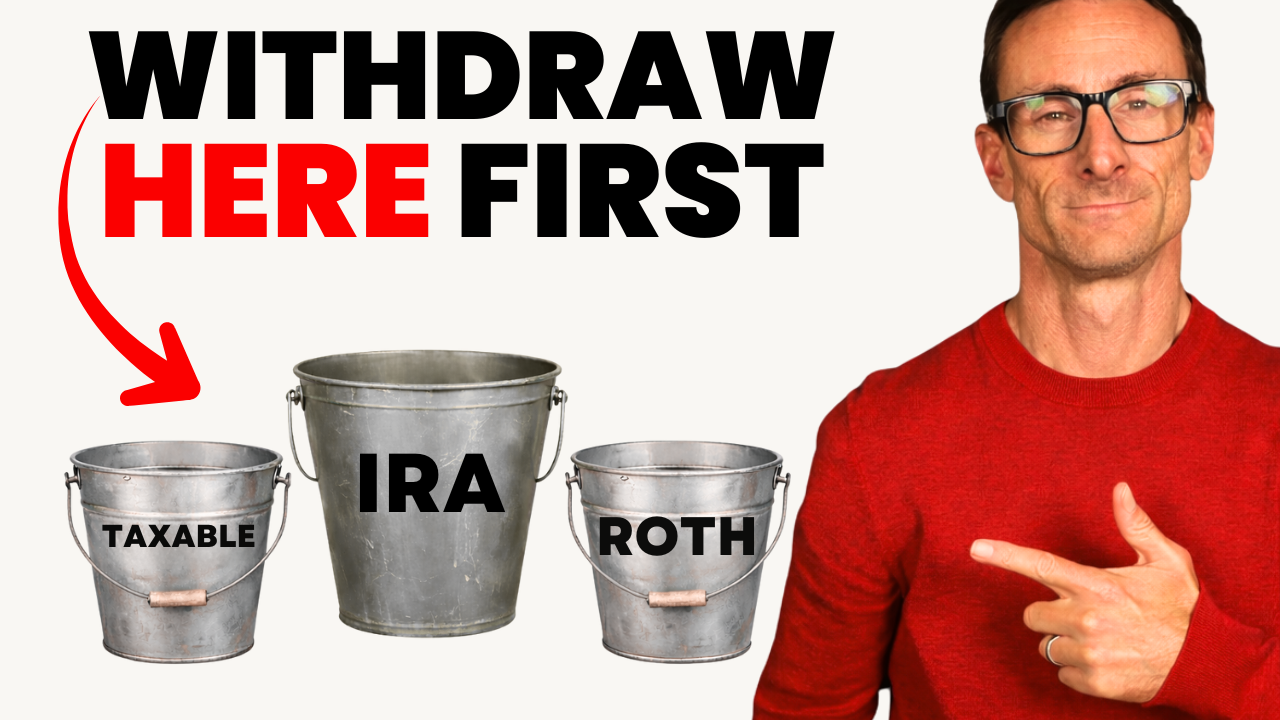
Choosing which retirement account to withdraw from first is one of the most important decisions retirees make. The withdrawal order affects how much you pay in taxes, how long your savings last, and how much flexibility you maintain throughout retirement. While there is no universal solution, understanding how different account types are taxed helps build a more effective strategy.
Most retirees hold money in three main types of accounts: taxable brokerage accounts, tax deferred accounts, and tax free accounts. Each plays a different role in retirement income planning.
Resources:
Taxable Accounts Often Come First
Taxable brokerage accounts are typically funded with after tax dollars. When you withdraw money, only the investment gains are subject to capital gains taxes. Because capital gains rates are often lower than ordinary income tax rates, taxable accounts can be a relatively efficient source of early retirement income.
Using taxable accounts first can also help manage future taxes. Spending these assets early may reduce the size of future required minimum distributions from tax deferred accounts. It also creates opportunities to realize gains strategically while staying within lower tax brackets.
Tax Deferred Accounts Require Careful Planning
Tax deferred accounts such as traditional IRAs and 401(k)s have not yet been taxed. Every dollar withdrawn is generally treated as ordinary income. Withdrawals from these accounts increase taxable income and can affect tax brackets, Medicare premiums, and the taxation of Social Security benefits.
After taxable assets are reduced, many retirees begin drawing from tax deferred accounts. The goal is often to take enough income to meet spending needs while avoiding unnecessary jumps into higher tax brackets. Planning withdrawals carefully over many years can help smooth income and reduce lifetime taxes.
Tax Free Accounts Are Often Saved for Last
Tax free accounts like Roth IRAs offer unique advantages. Qualified withdrawals are tax free, and there are no required minimum distributions for the original account owner. Because of this flexibility, Roth accounts are often preserved as long as possible.
Using Roth assets later in retirement can help manage taxes during years with higher expenses or unexpected income needs. Roth accounts can also be valuable for legacy planning since heirs may benefit from tax free distributions.
Why the Best Strategy Depends on You
While many retirees follow a general approach of taxable first, tax deferred second, and tax free last, individual factors matter. Pension income, Social Security timing, health care costs, tax law changes, and estate goals can all influence the best withdrawal order.
The right answer to which retirement account you should withdraw from first depends on your full financial picture. Reviewing your strategy regularly and adjusting as conditions change can help you keep more of your money and improve the long term sustainability of your retirement plan.
Seek Professional Guidance
Join the 964+ other retirees and get weekly articles and videos to help you retire with confidence.
Subscribers also gain access to our private monthly client memo.
This does not constitute an investment recommendation. Investing involves risk. Past performance is no guarantee of future results. Consult your financial advisor for what is appropriate for you. Disclosures: https://onedegreeadvisors.com/disclosure/