

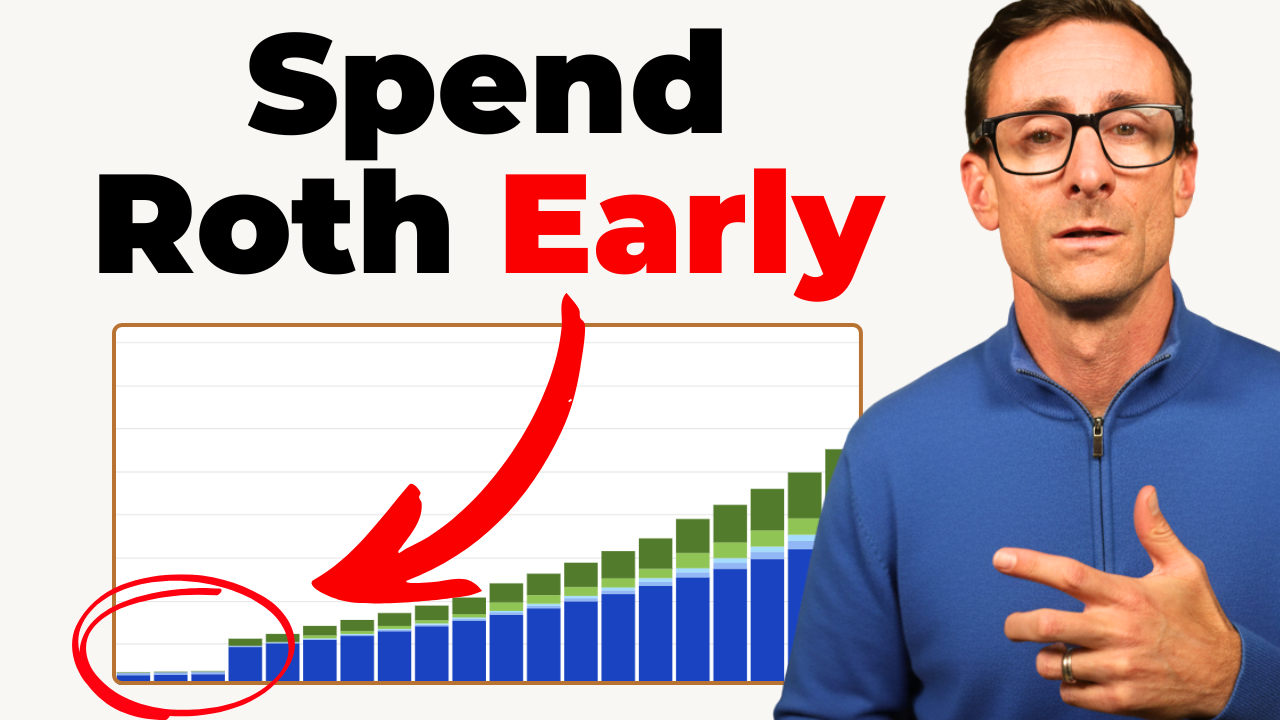
The popular advice to save Roth for last in retirement has become something of a golden rule. After all, Roth IRA withdrawals are tax-free, so preserving that tax-advantaged growth for as long as possible seems like a no-brainer. But as with many financial “rules,” there are exceptions—and following this one blindly could quietly cost you more in taxes and flexibility.
The Complexity of Retirement Income
Many retirees assume they’re in a low tax bracket once they stop working. But retirement income is far more complex than a regular paycheck. Different sources—such as Social Security, traditional IRA withdrawals, and capital gains—interact in unexpected ways. These interactions can push your income into higher brackets, make more of your Social Security taxable, or trigger the loss of certain deductions.
So while you may think you’re saving money by preserving your Roth, you could be paying more in taxes overall.
Strategic Roth Withdrawals Can Lower Your Tax Bill
Here’s where reconsidering the save Roth for last advice comes in. By using Roth IRA withdrawals strategically—particularly in years when your other income is higher—you can manage your tax exposure more effectively. Since Roth withdrawals aren’t counted as taxable income, they’re perfect for supplementing cash flow without pushing you into a higher bracket.
For example, suppose you need to cover a major expense like a new roof or medical bill. If taking that money from a traditional IRA would increase your tax rate, using your Roth instead might protect you from a larger bill at tax time.
Think in Terms of a “Tax Map”
Every retiree has a unique “tax map”—a way different income sources affect their tax situation. Instead of always trying to save Roth for last, you might consider drawing on your Roth earlier to spread income more evenly across tax brackets. This approach can prevent income spikes and reduce the overall taxes paid during retirement.
The key is to look at Roth funds not just as a long-term savings tool, but also as a buffer to maintain tax efficiency throughout retirement.
It’s About Flexibility, Not Just Growth
Holding on to Roth accounts indefinitely may offer long-term growth, but it limits your short-term flexibility. Using your Roth strategically—rather than rigidly adhering to the save Roth for last rule—can give you more control over your tax outcomes and overall financial well-being.
In the end, financial success in retirement isn’t about following hard rules. It’s about adapting to your unique circumstances and using all your tools—including Roth IRAs—wisely.
The Retirement Recap
Join the 1,000+ other retirees and get weekly articles and videos to help you retire with confidence. Subscribers also gain access to our private monthly client memo.
Seek Professional Guidance
Navigating retirement decisions can be complex. Consulting with a certified financial planner can provide personalized insights and strategies tailored to your unique circumstances. Whether you’re nearing retirement or planning ahead, expert advice can help you optimize your Social Security benefits and achieve greater financial confidence in your retirement years.
This does not constitute an investment recommendation. Investing involves risk. Past performance is no guarantee of future results. Consult your financial advisor for what is appropriate for you. Disclosures: https://onedegreeadvisors.com/disclosure/