

One of the biggest mistakes people make is assuming the investment strategy that worked during their working years will still work in retirement. But once a paycheck disappears, the role of a portfolio changes dramatically.
During the accumulation phase, investors can tolerate volatility because new contributions help offset market downturns. In retirement, withdrawals begin. That shift introduces risks—especially early in retirement—when poor market performance can permanently damage long-term sustainability.
This retirement case study illustrates how thoughtful planning can transform a strong portfolio into a durable retirement income strategy.
George and April
George (64) and April (63) spent decades saving and investing consistently. By the time retirement arrived, they had built a $3 million investment portfolio.
On paper, they were in great shape. But as retirement approached, they began questioning whether their current strategy still made sense.
Their portfolio was heavily invested in stocks—about 92% equities with only 8% in cash. While that allocation helped grow their wealth during their careers, it exposed them to significant risk now that they were about to rely on the portfolio for income.
The challenge wasn’t abandoning growth. It was finding the right balance between income stability and long-term investment growth.
The Hidden Risk of Early Retirement
One of the most dangerous threats retirees face is sequence of returns risk—the possibility that a market decline occurs early in retirement while withdrawals are happening.
If retirees sell investments during a downturn to fund living expenses, they may permanently reduce the portfolio’s ability to recover.
George and April needed a system that would allow them to weather market volatility without disrupting their long-term strategy.
Building a Retirement “War Chest”
To address this risk, their portfolio was redesigned around a simple structure.
A portion of the portfolio was placed into a retirement income reserve—sometimes called a “war chest.” This reserve consisted of:
- Cash
- Short- to intermediate-term bonds
- Other lower-volatility assets
This pool of safer investments could cover several years of withdrawals if markets declined.
By separating income stability assets from long-term growth investments, George and April could allow their equity investments to remain invested through market cycles without panic selling.
The $357,000 Tax Planning Opportunity
Investment allocation wasn’t the only opportunity uncovered in this retirement case study.
George and April were also positioned to take advantage of a strategic tax window between retirement and when required minimum distributions begin.
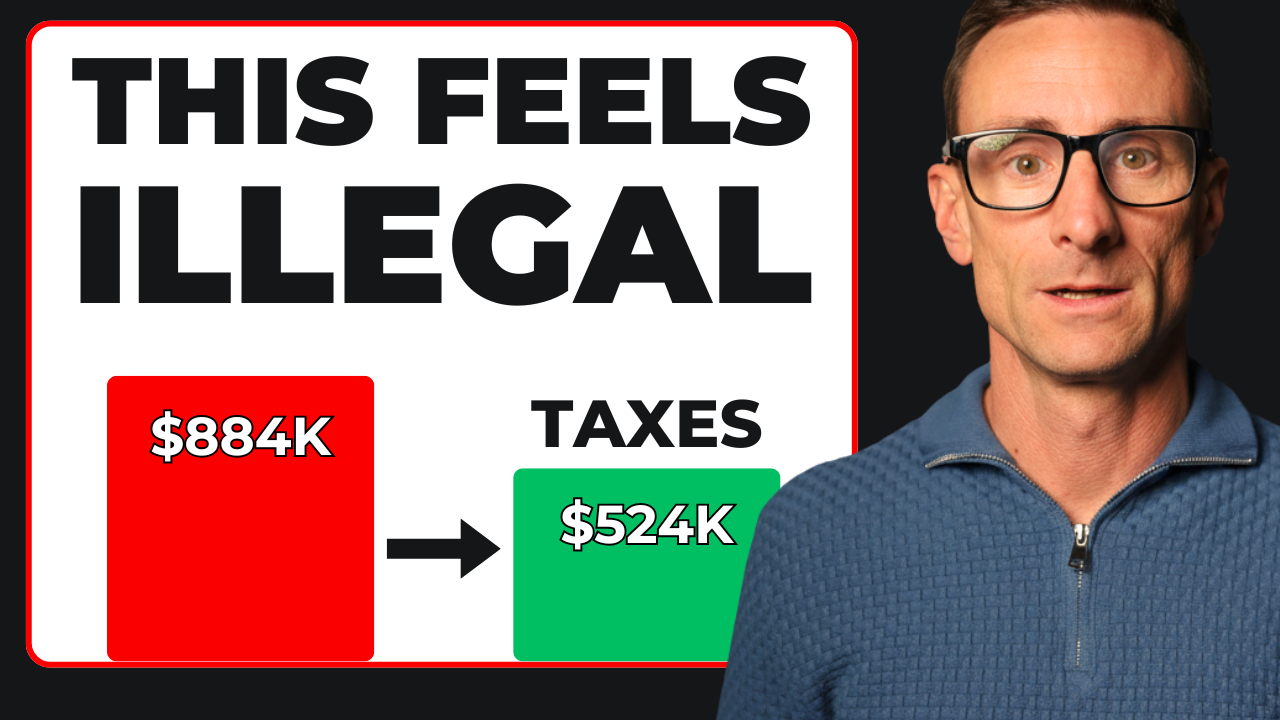
Through careful tax planning—such as managing income levels and evaluating potential Roth conversion opportunities—they could potentially save an estimated $357,000 in lifetime taxes.
Many retirees overlook this planning window, but it can be one of the most valuable opportunities in the entire retirement timeline.
The Key Takeaway
Retirement planning is not just about building wealth—it’s about restructuring that wealth to support income, manage risk, and reduce taxes.
George and April already did the hard part: saving and investing consistently. But the transition into retirement required a different strategy focused on:
- Stabilizing income
- Managing market risk
- Creating tax efficiency
- Preserving long-term growth
This retirement case study highlights an important truth: the strategy that grows wealth is rarely the same strategy that sustains retirement.
The Retirement Recap
Join the 1,000+ other retirees and get weekly articles and videos to help you retire with confidence. Subscribers also gain access to our private monthly client memo.
Seek Professional Guidance
Navigating retirement decisions can be complex. Consulting with a certified financial planner can provide personalized insights and strategies tailored to your unique circumstances. Whether you’re nearing retirement or planning ahead, expert advice can help you optimize your Social Security benefits and achieve greater financial confidence in your retirement years.
This does not constitute an investment recommendation. Investing involves risk. Past performance is no guarantee of future results. Consult your financial advisor for what is appropriate for you. Disclosures: https://onedegreeadvisors.com/disclosure/