

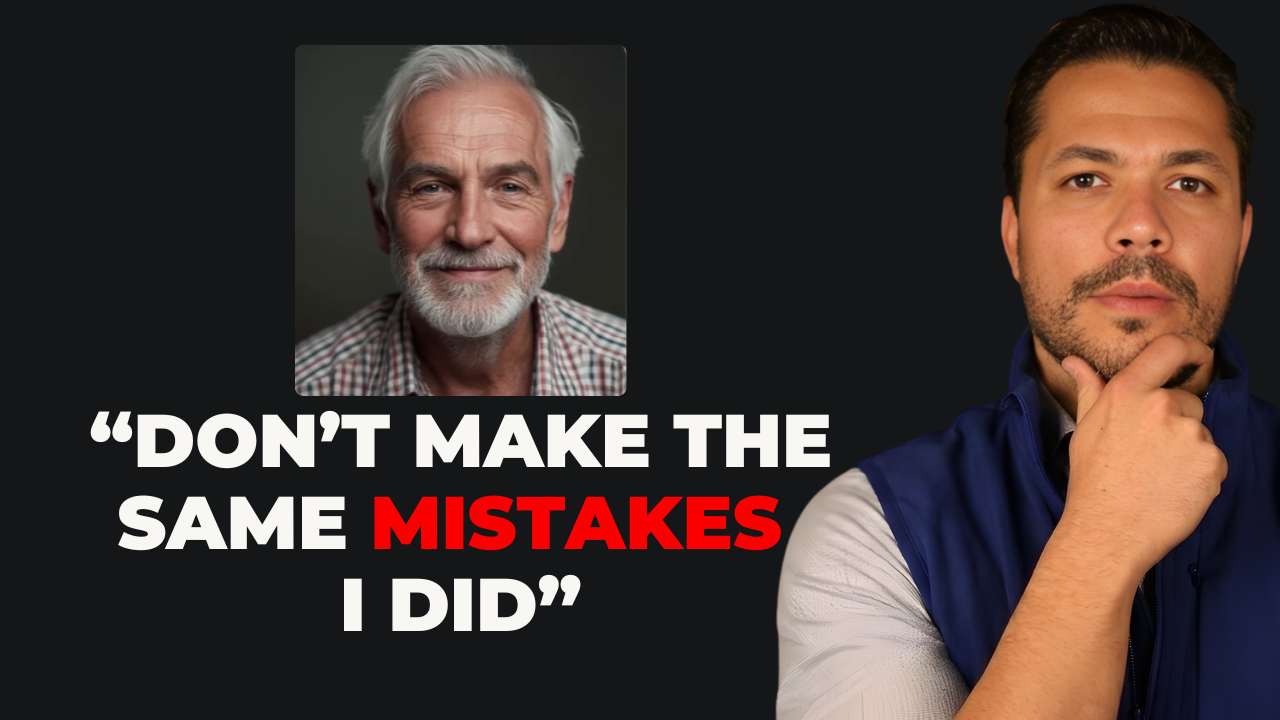
When people think about retirement, the focus is almost always financial. Savings goals, investment strategies, and net worth targets dominate the conversation. While these are important, they can overshadow a critical factor that determines whether retirement is truly fulfilling.
The biggest retirement mistake isn’t running out of money—it’s retiring without a sense of purpose.
The Hidden Risk of Financial-Only Planning
Many individuals spend decades preparing financially for retirement. They reach their goals, step away from work, and expect to feel freedom and satisfaction. Instead, some experience an unexpected sense of emptiness.
This happens because work often provides more than income. It offers structure, identity, social interaction, and a sense of contribution. When that disappears overnight, it can leave a significant void.
Focusing only on finances ignores the human side of retirement—the need for meaning and engagement.
Why Purpose Matters More Than You Think
A fulfilling retirement depends heavily on how you spend your time. Without a clear sense of purpose, days can begin to feel repetitive and unstructured. Over time, this can lead to boredom, isolation, and even declining mental well-being.
Purpose doesn’t have to mean continuing a career. It can come from a wide range of activities:
- Volunteering or mentoring
- Pursuing hobbies or creative interests
- Staying physically active
- Building and maintaining relationships
- Learning new skills
The key is intentionality—having something to wake up for each day.
The Psychological Shift of Retirement
Retirement is not just a financial transition; it’s a psychological one. Moving from a structured work life to complete freedom sounds appealing, but it requires adjustment.
Without preparation, this shift can feel disorienting. Many retirees underestimate how much their identity is tied to their profession. Losing that identity can create uncertainty about who they are and what they should do next.
Planning for this transition is just as important as building a retirement fund.
Avoiding this mistake starts with expanding your definition of retirement planning. Financial security is only one piece of the puzzle.
How to Avoid This Common Retirement Mistake
Here are a few practical steps to create a more fulfilling retirement:
1. Define Your Purpose Early
Think about what brings you satisfaction outside of work. Start exploring these activities before you retire.
2. Build a Lifestyle Plan
Visualize your ideal daily and weekly routine. How will you spend your time? Who will you spend it with?
3. Stay Socially Connected
Strong relationships are a major contributor to happiness in retirement. Make maintaining them a priority.
4. Keep Growing
Retirement should not mean stopping personal growth. Continue learning, exploring, and challenging yourself.
Conclusion
The biggest retirement mistake is assuming that money alone guarantees happiness. While financial security provides freedom, it doesn’t automatically create fulfillment.
A successful retirement requires both financial preparation and a clear sense of purpose. By planning for how you’ll live—not just how you’ll fund your life—you can avoid this common mistake and build a retirement that is both secure and meaningful.
The Retirement Recap
Join the 1,000+ other retirees and get weekly articles and videos to help you retire with confidence. Subscribers also gain access to our private monthly client memo.
Seek Professional Guidance
Navigating retirement decisions can be complex. Consulting with a certified financial planner can provide personalized insights and strategies tailored to your unique circumstances. Whether you’re nearing retirement or planning ahead, expert advice can help you optimize your Social Security benefits and achieve greater financial confidence in your retirement years.
This does not constitute an investment recommendation. Investing involves risk. Past performance is no guarantee of future results. Consult your financial advisor for what is appropriate for you. Disclosures: https://onedegreeadvisors.com/disclosure/