

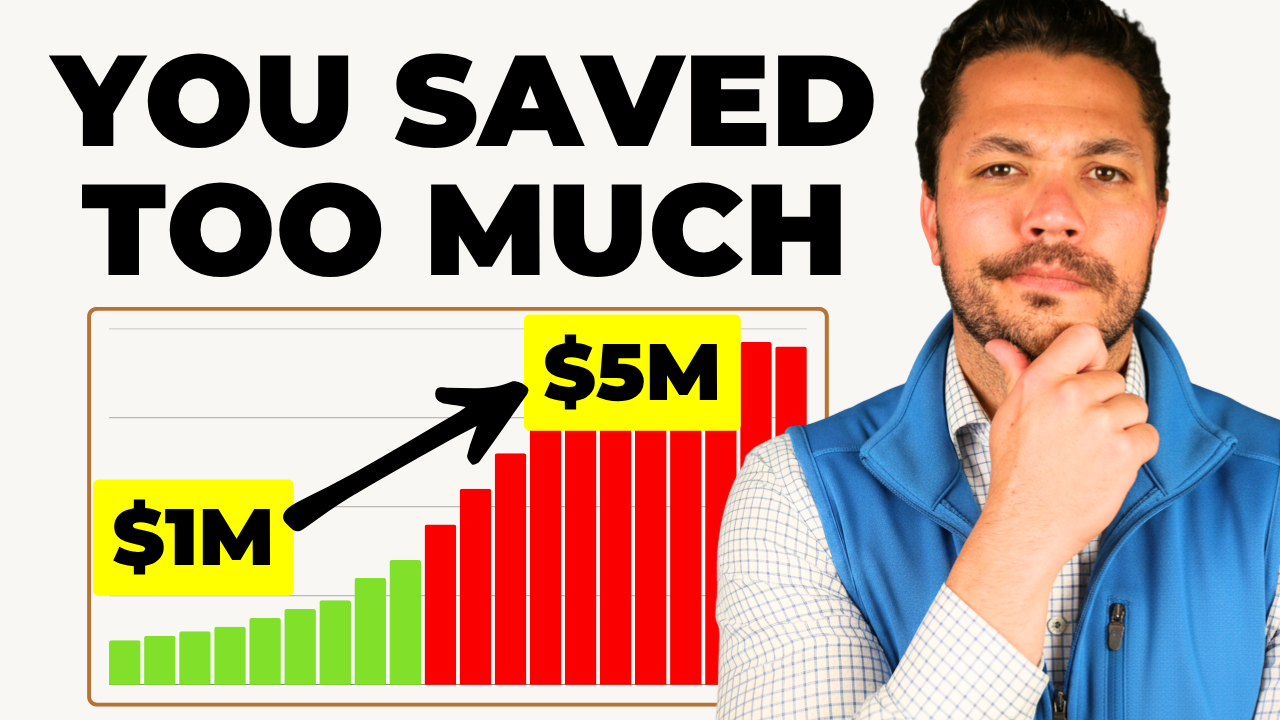
Many retirees are surprised to discover that, despite careful planning and diligent saving, they end up with more money than they started with. It’s not due to exceptional investment returns or expert tax strategies. Rather, it’s a widespread and often overlooked phenomenon: oversaving in retirement.
Resources:
Understanding the Psychology Behind Oversaving
For decades, retirement planning has emphasized saving enough to avoid running out of money. But once retirement begins, many people find themselves struggling to reverse that mindset. After years of disciplined saving, the shift to spending can feel uncomfortable or even irresponsible.
This hesitation is a core driver of oversaving in retirement. Even those who have accumulated $1 million or more may feel uneasy about spending. When it comes time to enjoy life—whether through travel, family support, or personal enrichment—they often hold back. The fear of market downturns, unexpected expenses, or simply living longer than expected keeps retirees in a conservative financial stance.
The Role of the Financial Industry
Compounding the issue is how the financial industry frames retirement. Most tools and advice emphasize accumulation and preservation. While important, this messaging often overlooks the human element—the psychological hurdles that retirees face when deciding to draw down their savings.
This can lead to overly cautious withdrawal strategies and limited spending, even when it’s not necessary. Advisors and financial plans may reinforce a scarcity mindset, unintentionally contributing to the problem of oversaving in retirement.
Rethinking Retirement Goals
To avoid this trap, it’s essential to reframe what successful retirement looks like. Instead of focusing solely on what’s left in the account, retirees should consider whether they are living the life they planned and saved for. This involves identifying meaningful goals and aligning financial decisions accordingly.
Creating a spending plan based on personal values—not just percentages—can help. By categorizing expenses into essentials, lifestyle, and legacy, retirees can gain clarity on what they can afford and what brings fulfillment. This approach supports confident decision-making and reduces the anxiety that leads to oversaving.
Empowered Spending
Ultimately, retirement should be a time of enjoyment, not ongoing financial stress. If you’ve saved well and structured your finances soundly, you have earned the right to use those resources. Whether that means travel, quality time with family, or pursuing long-held interests, intentional spending can lead to a more satisfying retirement.
Avoiding oversaving in retirement isn’t about being reckless—it’s about giving yourself permission to live. By addressing both the emotional and practical sides of spending, you can ensure that your wealth supports your happiness and wellbeing, not just your bank balance.
Seek Professional Guidance
Join the 964+ other retirees and get weekly articles and videos to help you retire with confidence.
Subscribers also gain access to our private monthly client memo.
This does not constitute an investment recommendation. Investing involves risk. Past performance is no guarantee of future results. Consult your financial advisor for what is appropriate for you. Disclosures: https://onedegreeadvisors.com/disclosure/