

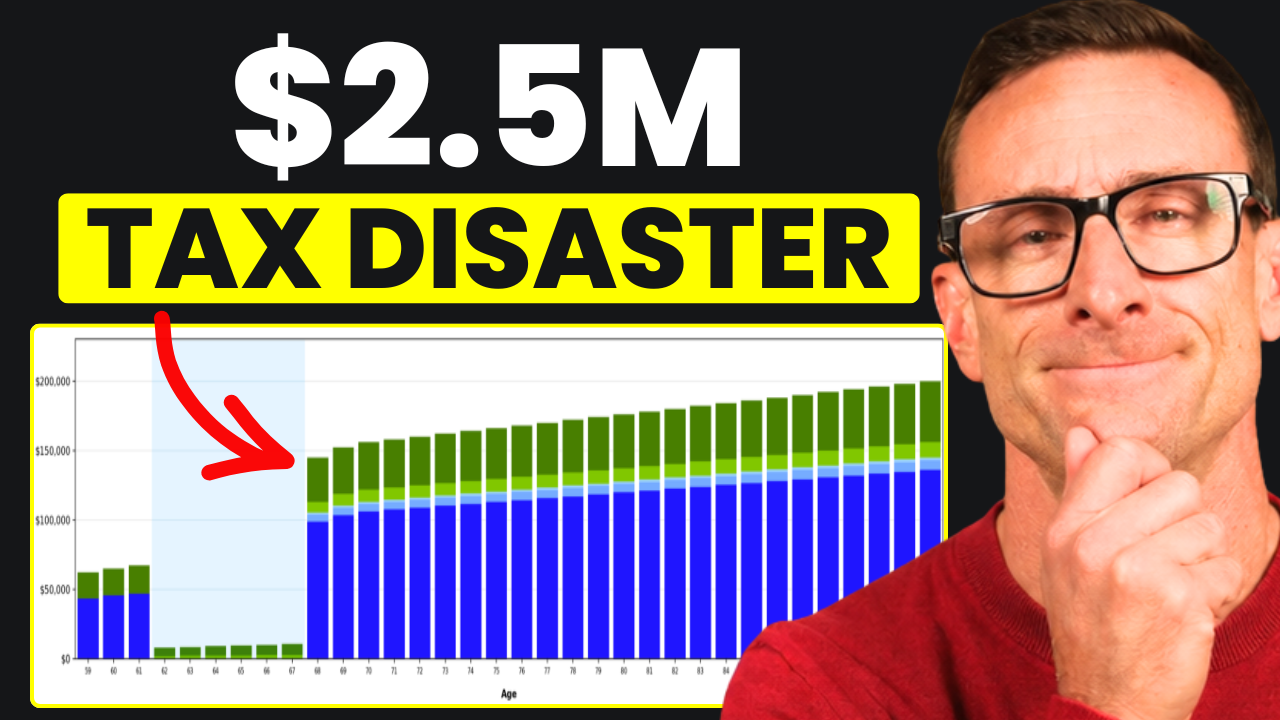
Building a large 401(k) is a major accomplishment—but it comes with a less obvious downside. Because these accounts are funded with pre-tax dollars, every withdrawal in retirement is taxed as ordinary income. For individuals with multimillion-dollar balances, this can lead to unexpectedly high tax bills.
Without proper planning, retirees may find themselves paying more in taxes than necessary, especially as withdrawals increase over time. What looks like financial security on paper can quickly become inefficient if taxes aren’t managed strategically.
Why Large 401(k) Balances Create Problems
The core issue isn’t just the size of the account—it’s how and when the money is taxed. As balances grow, so does the potential tax burden. This becomes particularly important once Required Minimum Distributions (RMDs) begin.
RMDs force account holders to withdraw a portion of their retirement savings each year, regardless of whether they need the income. For large accounts, these withdrawals can be substantial enough to push retirees into higher tax brackets.
The Psychological Impact of Tax Pressure
Taxes don’t just affect numbers—they influence behavior. Many retirees with large 401(k) balances hesitate to spend their savings because each withdrawal feels like losing a portion to taxes.
This often leads to underspending, where individuals live more conservatively than necessary despite having sufficient resources. Effective tax planning helps remove this friction, allowing retirees to use their money with greater confidence.
Key Strategies for Large 401(k) Tax Planning
1. Gradual Roth Conversions
Converting portions of a 401(k) into a Roth account can reduce long-term tax exposure. While taxes are paid at the time of conversion, future withdrawals from a Roth account are tax-free.
By spreading conversions over several years, retirees can manage their tax bracket and avoid large spikes in taxable income.
2. Early Withdrawal Planning
Taking distributions before RMD age—particularly in lower-income years—can help reduce the size of future required withdrawals. This strategy smooths out taxable income over time and prevents sudden increases later.
3. Tax Bracket Optimization
Instead of reacting to taxes each year, proactive planning allows retirees to “fill up” lower tax brackets intentionally. This approach keeps overall tax rates lower across retirement.
4. Income Source Diversification
Having multiple types of accounts—taxable, tax-deferred, and tax-free—provides flexibility. This allows retirees to choose where income comes from each year, helping control their tax situation more effectively.
Planning Ahead for Long-Term Efficiency
Large 401(k) tax planning isn’t about avoiding taxes entirely—it’s about managing them intelligently over time. The goal is to reduce lifetime tax liability, not just minimize taxes in a single year.
With the right strategy, retirees can transform a potential tax burden into a structured, efficient income plan. This not only preserves more wealth but also makes it easier to spend confidently and enjoy retirement.strategies, and planning ahead for RMDs, retirees can gain confidence in spending—and fully enjoy the wealth they’ve built.
The Retirement Recap
Join the 1,000+ other retirees and get weekly articles and videos to help you retire with confidence. Subscribers also gain access to our private monthly client memo.
Seek Professional Guidance
Navigating retirement decisions can be complex. Consulting with a certified financial planner can provide personalized insights and strategies tailored to your unique circumstances. Whether you’re nearing retirement or planning ahead, expert advice can help you optimize your Social Security benefits and achieve greater financial confidence in your retirement years.
This does not constitute an investment recommendation. Investing involves risk. Past performance is no guarantee of future results. Consult your financial advisor for what is appropriate for you. Disclosures: https://onedegreeadvisors.com/disclosure/