

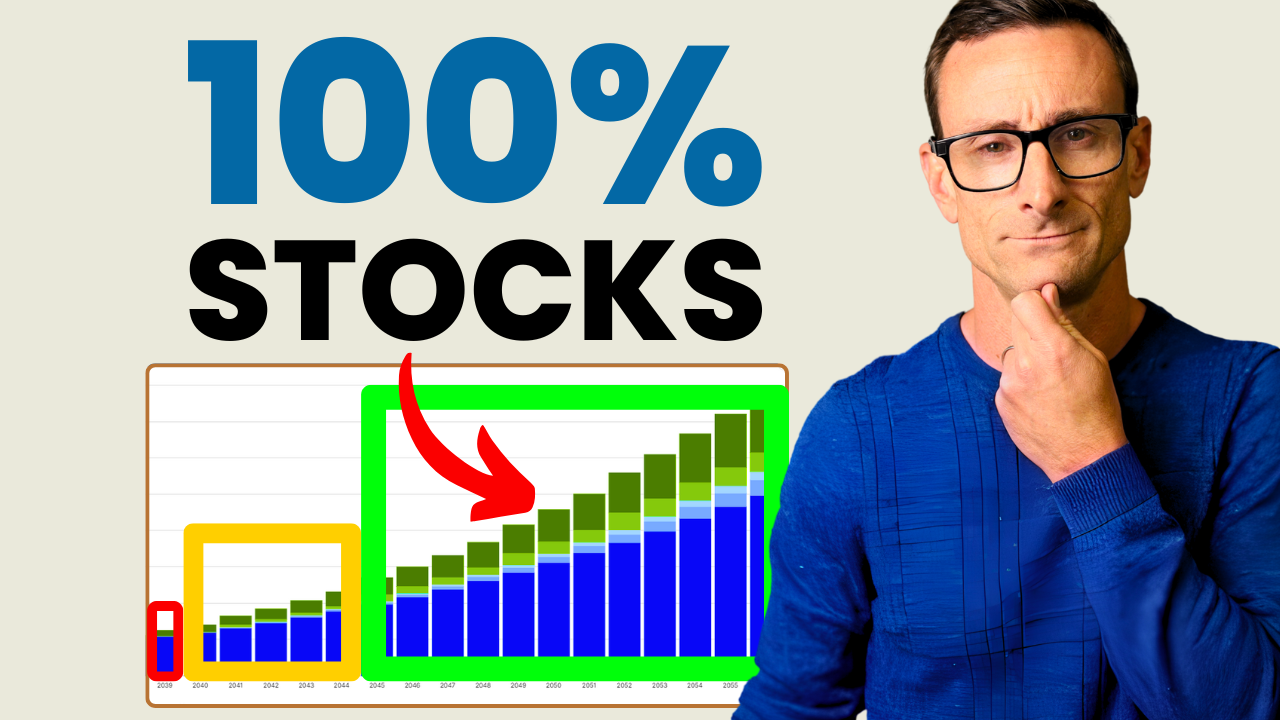
When planning for life after work, one of the most important decisions is how to structure your retirement portfolio. While many investors focus on diversification during their working years, some question whether it’s necessary once they retire—especially given the strong historical performance of U.S. stocks.
This is a crucial consideration during the transition from saving to spending. Relying on your portfolio to generate income means reevaluating not just what’s in it, but how it behaves under different market conditions. A recent client scenario offers useful insight into this process.
Resources:
Retiring with $2.5 Million: One Couple’s Strategy
Brad and Carol, both age 65, recently retired with $2.5 million invested across pretax IRAs, Roth IRAs, and a taxable trust. Their investments closely tracked the S&P 500, and they also receive $2,000 per month each in Social Security. Their long-term discipline and strong savings habits put them in a solid financial position.
Now, their focus has shifted from building wealth to preserving it. They want to know whether keeping their retirement portfolio fully invested in U.S. stocks is wise—or if introducing more diversification could help reduce risks during retirement.
Weighing the Risks of a Stock-Heavy Retirement Portfolio
A portfolio made up entirely of U.S. equities carries strong growth potential. But in retirement, market downturns can have a lasting impact. This is largely due to sequence-of-returns risk—where negative returns early in retirement may deplete assets faster than anticipated.
To help Brad and Carol evaluate their options, we compared their existing retirement portfolio with two more diversified strategies. These alternatives included a mix of U.S. and international stocks, bonds, and other income-generating assets. We assessed how each would perform over time, factoring in inflation, withdrawal needs, and portfolio resilience.
The Value of Diversification in Retirement
Our findings showed that while a 100% stock retirement portfolio might outperform in strong markets, it also came with greater income volatility. The more diversified portfolios offered smoother, more reliable income patterns and better protection during market stress.
That added stability can make a major difference over a 30-year retirement. Not only does it reduce the risk of running out of money, but it also provides peace of mind—an often-overlooked benefit that helps retirees stick to their plan during periods of market uncertainty.
Aligning Your Retirement Portfolio With Your Goals
For Brad and Carol, transitioning to a diversified retirement portfolio aligned more closely with their needs. By including assets designed to buffer against volatility, they could preserve their income while still participating in market growth.
In retirement, the goal shifts from maximizing returns to ensuring that your money lasts. A well-structured retirement portfolio balances risk and income, giving you the confidence to enjoy the years ahead.
Seek Professional Guidance
Join the 964+ other retirees and get weekly articles and videos to help you retire with confidence.
Subscribers also gain access to our private monthly client memo.
This does not constitute an investment recommendation. Investing involves risk. Past performance is no guarantee of future results. Consult your financial advisor for what is appropriate for you. Disclosures: https://onedegreeadvisors.com/disclosure/