

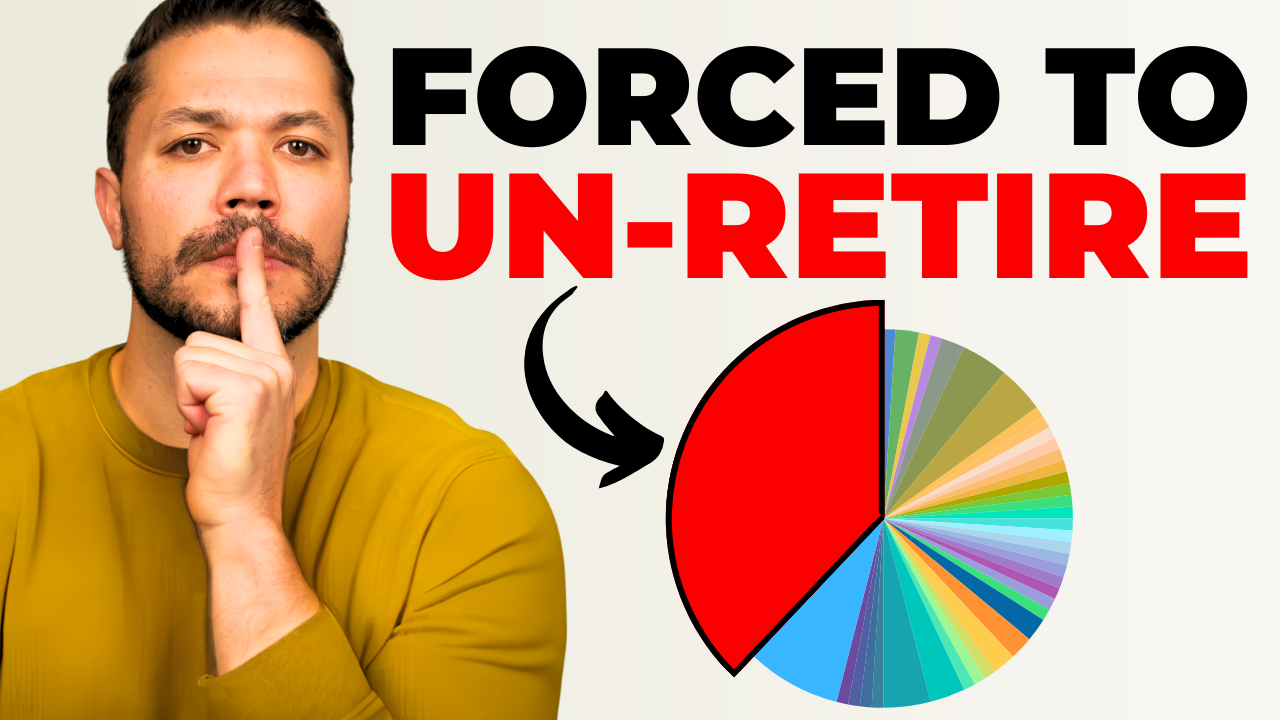
For investors nearing retirement or managing significant wealth, a common challenge arises: how to diversify a huge stock position that has grown disproportionately over time. While the gains are substantial, they often come with increased financial risk and a fear of triggering large tax bills. Fortunately, there are proven strategies that allow investors to diversify a huge stock position while preserving wealth and managing tax exposure.
Resources
The Risks and Rewards of a Concentrated Stock Position
Why Concentrated Positions Create Risk
When a single stock grows to represent a major portion of your portfolio, it can feel both rewarding and risky. On one hand, it may have outperformed the market for years. On the other, it exposes your future to the fate of one company. Many investors hesitate to act because selling the stock could result in a large capital gains tax. This leads to indecision—not from a lack of strategy, but from fear of negative consequences.
Understanding this balance between growth and risk is the first step to making smarter diversification decisions.
Three Proven Ways to Diversify a Huge Stock Position
High-net-worth individuals and seasoned advisors use a combination of methods to reduce exposure and taxes. Here are three effective ways to diversify a huge stock position:
- Gift Shares to Family or Charities
By transferring appreciated stock to individuals in lower tax brackets or to qualified charities, investors can reduce their taxable estate and lower the immediate tax burden. This strategy also supports long-term estate or philanthropic planning. - Utilize Charitable Remainder Trusts (CRTs)
CRTs allow investors to donate stock into a trust, receive a steady income stream, and eventually pass the remaining value to charity. This approach offers upfront tax benefits, avoids immediate capital gains tax, and facilitates gradual diversification. - Implement a Phased Selling Plan
Selling the stock in stages over several years can significantly reduce the annual tax hit. By aligning sales with lower-income periods, such as early retirement, investors can keep their overall tax liability in check while steadily reducing risk.
Managing the Emotional Side of Diversification
For many, the challenge of letting go of a high-performing stock is as much emotional as it is financial. The attachment to a company that helped build wealth can cloud rational decision-making. But holding too long can expose your future to unnecessary volatility.
Successful investors work with advisors to separate emotion from strategy. The goal isn’t to abandon a winner—it’s to secure long-term financial stability.
Taking Control with a Diversification Framework
To diversify a huge stock position effectively, you need a structured plan. Begin by assessing your tax exposure, long-term goals, and risk tolerance. Then apply the strategies that best fit your circumstances.
With the right framework, you can transition from concentrated risk to a more balanced, resilient portfolio—without sacrificing what you’ve built.ning. True success lies not just in exiting the business, but in crafting a meaningful next chapter.
The Retirement Recap
Join the 1,000+ other retirees and get weekly articles and videos to help you retire with confidence. Subscribers also gain access to our private monthly client memo.
Seek Professional Guidance
Navigating retirement decisions can be complex. Consulting with a certified financial planner can provide personalized insights and strategies tailored to your unique circumstances. Whether you’re nearing retirement or planning ahead, expert advice can help you optimize your Social Security benefits and achieve greater financial confidence in your retirement years.
This does not constitute an investment recommendation. Investing involves risk. Past performance is no guarantee of future results. Consult your financial advisor for what is appropriate for you. Disclosures: https://onedegreeadvisors.com/disclosure/