

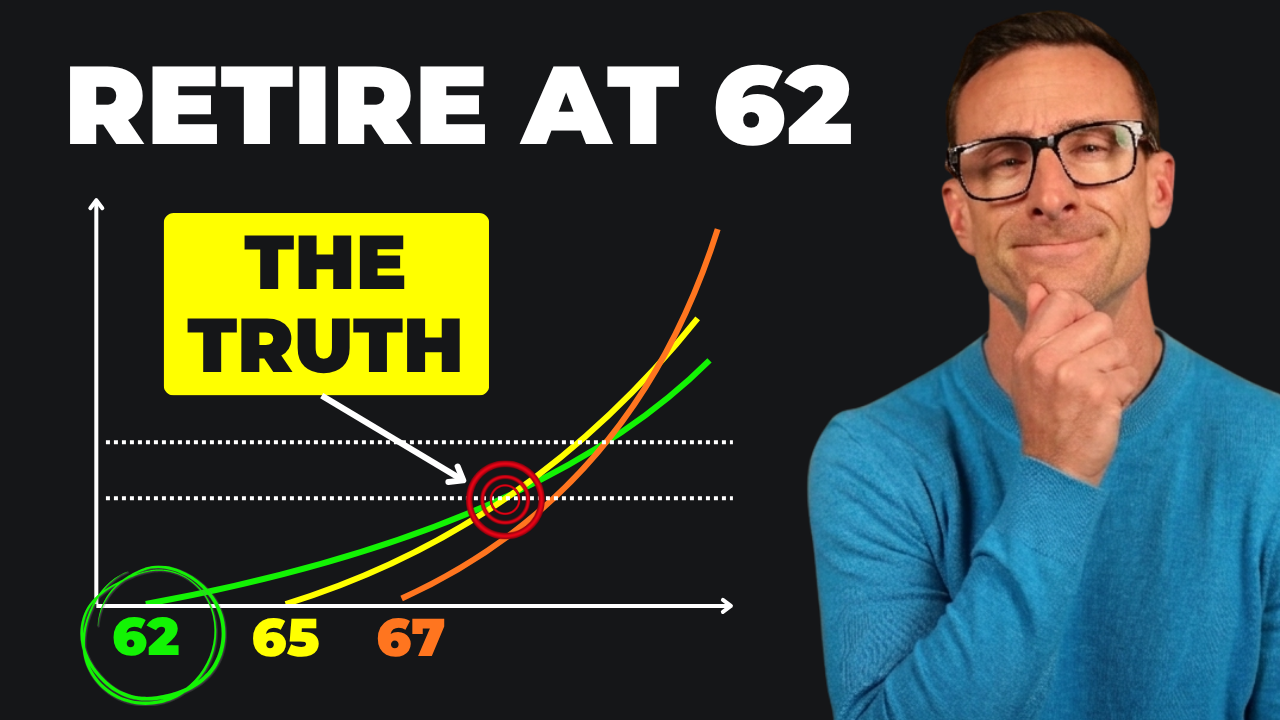
Most people assume that retiring earlier requires saving significantly more money. But what if that’s not actually true? With the right financial planning strategies, it’s possible to retire three years earlier, without increasing your savings rate or taking on additional risk.
The Hidden Gap in Retirement Planning
Many professionals do a solid job during the accumulation phase of their financial lives. They contribute to retirement accounts, invest consistently, and build substantial portfolios over time. However, the final phase, turning those assets into a sustainable retirement plan, is often overlooked.
This is where a critical gap exists. Even well-prepared individuals may miss opportunities that could significantly improve their retirement timeline.
Why Retirement Dates Are Often Later Than Necessary
A common issue in retirement planning is relying on overly conservative assumptions. People often underestimate what their investments can support or overestimate how much they need to maintain their lifestyle.
As a result, they delay retirement unnecessarily.
Another factor is a lack of coordination between income sources. Social Security, investment withdrawals, and tax strategies are often treated independently rather than as part of a cohesive plan.
Strategic Adjustments That Make a Big Difference
Retiring three years earlier doesn’t usually require drastic changes. Instead, it comes down to optimizing what you already have.
Key strategies include:
- Timing Social Security effectively to maximize lifetime benefits
- Creating a tax-efficient withdrawal strategy to reduce unnecessary tax burdens
- Aligning investment allocations with your retirement income needs
- Bridging income gaps in the early years of retirement
These adjustments can unlock value that already exists within your financial plan.
The Power of Integration
The real advantage comes from integrating all elements of your financial life into one coordinated strategy. When investments, taxes, and income planning work together, the results can be significantly more efficient.
This is often where the opportunity to retire earlier is found, not in saving more, but in planning better.
A Smarter Approach to Retirement Timing
If you’re within 5–10 years of retirement, this is the most critical window for optimization. Small adjustments during this phase can have an outsized impact on your retirement readiness.
Rather than asking, “Do I have enough?” a better question is:
“Am I using what I have as efficiently as possible?”
For many, the answer reveals untapped potential, often enough to move retirement forward by several years.
Final Thoughts
Retiring three years earlier isn’t about drastic sacrifices or extreme strategies. It’s about making smarter decisions with the resources you’ve already built.
With the right approach, you may be closer to retirement than you think.
The Retirement Recap
Join the 1,000+ other retirees and get weekly articles and videos to help you retire with confidence. Subscribers also gain access to our private monthly client memo.
Seek Professional Guidance
Navigating retirement decisions can be complex. Consulting with a certified financial planner can provide personalized insights and strategies tailored to your unique circumstances. Whether you’re nearing retirement or planning ahead, expert advice can help you optimize your Social Security benefits and achieve greater financial confidence in your retirement years.
This does not constitute an investment recommendation. Investing involves risk. Past performance is no guarantee of future results. Consult your financial advisor for what is appropriate for you. Disclosures: https://onedegreeadvisors.com/disclosure/