

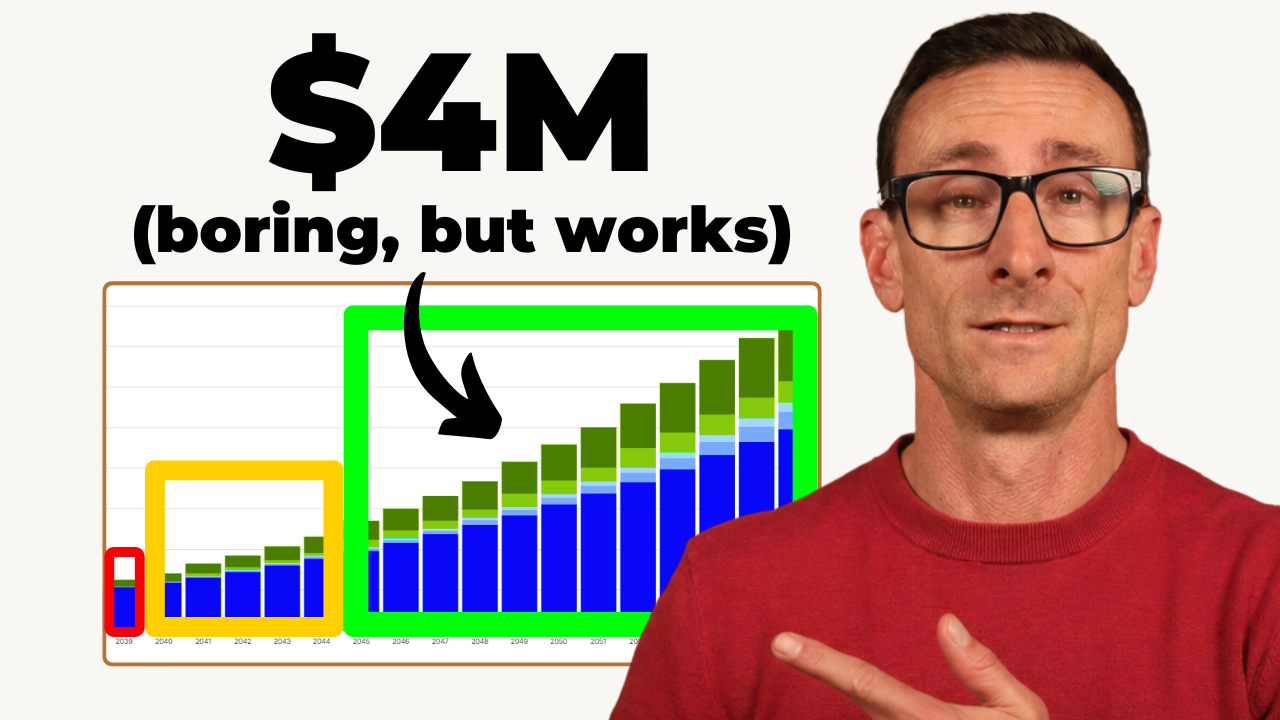
A $4 million retirement portfolio may seem like it offers unlimited flexibility, but having more money doesn’t automatically lead to better financial decisions. In fact, one of the biggest mistakes retirees make is adding unnecessary complexity to their investments simply because they can.
A more effective approach starts by defining retirement goals first and allowing the portfolio to support those goals, not the other way around.
Start With Your Income Needs
Rather than choosing an investment allocation based solely on age or a standard rule of thumb, begin by determining how much annual income your retirement actually requires.
For the example discussed, the retirees planned for approximately $162,000 in annual lifestyle spending, plus taxes, resulting in an initial withdrawal target of roughly $171,000 per year. That equates to about a 4.1% withdrawal rate from a $4 million portfolio.
Once the required income is clear, investment decisions become much easier because every allocation supports a specific purpose.
Use Guardrails Instead of Guesswork
Markets will rise and fall throughout retirement. Instead of reacting emotionally to every downturn, a guardrail strategy creates predetermined thresholds for increasing or reducing spending.
If the portfolio performs exceptionally well, retirees can confidently increase spending. If markets experience a prolonged decline, modest temporary spending reductions help preserve long-term sustainability.
This systematic approach removes much of the uncertainty that often accompanies retirement investing.
Build Tax Efficiency Into the Plan
Taxes are one of the most overlooked parts of retirement planning.
For retirees who have significant balances in traditional retirement accounts, the years before required minimum distributions begin can create valuable opportunities for strategic Roth conversions.
Converting portions of traditional retirement accounts during lower-income years may reduce lifetime taxes while increasing future tax-free assets. Thoughtful withdrawal sequencing can also improve after-tax wealth and potentially leave a larger legacy for heirs.
Protect Against Early Retirement Risk
The first several years of retirement present one of the greatest investment challenges because withdrawals occur while the portfolio is still exposed to market volatility.
Maintaining several years of planned income in stable assets such as cash and high-quality bonds creates a financial cushion. This allows retirees to avoid selling stocks during major market declines and helps reduce sequence of returns risk.
With a dedicated income reserve in place, the remainder of the portfolio can remain invested for long-term growth.
Keep the Portfolio Simple
An effective $4 million retirement portfolio does not need dozens of investments.
A straightforward framework can include:
- Broad market stock investments for long-term growth.
- A cash and bond reserve to fund several years of retirement income.
- Carefully selected factor-based equity exposure for additional diversification.
- A disciplined tactical allocation process that adjusts exposure based on objective market conditions rather than emotions.
Together, these components balance growth potential with income stability while keeping the investment strategy easy to manage.
Final Thoughts
A successful $4 million retirement portfolio isn’t defined by complexity. It’s built around sustainable income, tax-efficient withdrawal strategies, appropriate risk management, and disciplined investing. When every part of the portfolio supports a clear retirement plan, investors can spend with greater confidence while preserving wealth for decades to come.
The Retirement Recap
Join the 1,000+ other retirees and get weekly articles and videos to help you retire with confidence. Subscribers also gain access to our private monthly client memo.
Seek Professional Guidance
Navigating retirement decisions can be complex. Consulting with a certified financial planner can provide personalized insights and strategies tailored to your unique circumstances. Whether you’re nearing retirement or planning ahead, expert advice can help you optimize your Social Security benefits and achieve greater financial confidence in your retirement years.
This does not constitute an investment recommendation. Investing involves risk. Past performance is no guarantee of future results. Consult your financial advisor for what is appropriate for you. Disclosures: https://onedegreeadvisors.com/disclosure/