

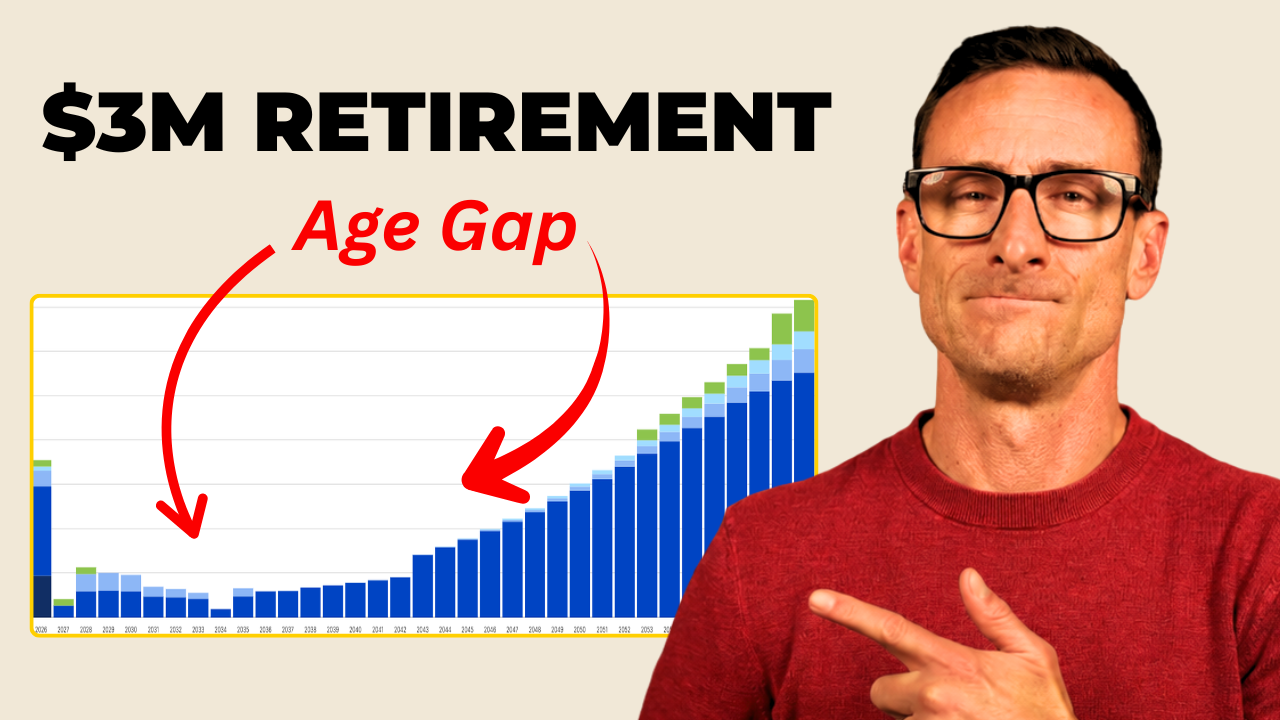
Many people assume that once they’ve accumulated several million dollars for retirement, the hard decisions are behind them. However, retiring with a younger spouse introduces planning challenges that can significantly impact your financial future. Even with a healthy investment portfolio, differences in age affect Social Security, healthcare, taxes, and long-term income planning.
A Longer Retirement Timeline
One of the biggest considerations when retiring with a younger spouse is the length of retirement. If one spouse is 10 or more years younger, retirement assets may need to support the household for decades longer than expected. This extended timeline requires a withdrawal strategy that balances current spending with preserving enough assets for the younger spouse’s future.
Simply because you can afford to retire today doesn’t necessarily mean you should maximize your spending early in retirement.
Social Security Decisions Matter
Age differences also influence when each spouse should claim Social Security benefits. In many cases, delaying benefits for the higher-earning spouse can provide a larger lifetime benefit and potentially increase survivor benefits if that spouse passes away first.
Coordinating claiming strategies becomes even more important when one spouse may rely on benefits for many additional years. Every situation is unique, making it essential to evaluate the long-term impact before filing.
Healthcare Can Create a Gap
Healthcare planning often surprises couples with an age difference. If the older spouse retires before the younger spouse becomes eligible for Medicare, the household may need to cover private health insurance costs for several years.
These expenses can be substantial and should be included in retirement projections. A retirement budget that overlooks healthcare costs may underestimate the income required during the early retirement years.
Taxes Continue to Matter in Retirement
Retirement doesn’t eliminate taxes. Withdrawals from traditional retirement accounts, investment income, and Social Security benefits can all affect a retiree’s tax situation.
Many retirees benefit from strategies such as Roth conversions or carefully managing withdrawals from different account types. Reducing lifetime taxes can help preserve more wealth for both spouses while creating greater flexibility later in retirement.
Planning for the Surviving Spouse
One of the most overlooked aspects of retiring with a younger spouse is survivor planning. When one spouse dies, household income may decline while many living expenses remain the same. At the same time, the surviving spouse could face higher tax rates as a single filer.
A thoughtful retirement plan considers how income, taxes, investments, and Social Security will work for the surviving spouse, not just while both spouses are living.
The Bottom Line
Retiring with a younger spouse requires more than reaching a savings goal. It demands careful planning around income, healthcare, taxes, and longevity to ensure financial security for both partners.
Whether your portfolio is $3 million or another amount, the right retirement strategy should account for your family’s unique circumstances. A personalized plan can help you retire confidently while protecting the financial future of the spouse who may depend on those assets for many years to come.
The Retirement Recap
Join the 1,000+ other retirees and get weekly articles and videos to help you retire with confidence. Subscribers also gain access to our private monthly client memo.
Seek Professional Guidance
Navigating retirement decisions can be complex. Consulting with a certified financial planner can provide personalized insights and strategies tailored to your unique circumstances. Whether you’re nearing retirement or planning ahead, expert advice can help you optimize your Social Security benefits and achieve greater financial confidence in your retirement years.
This does not constitute an investment recommendation. Investing involves risk. Past performance is no guarantee of future results. Consult your financial advisor for what is appropriate for you. Disclosures: https://onedegreeadvisors.com/disclosure/