

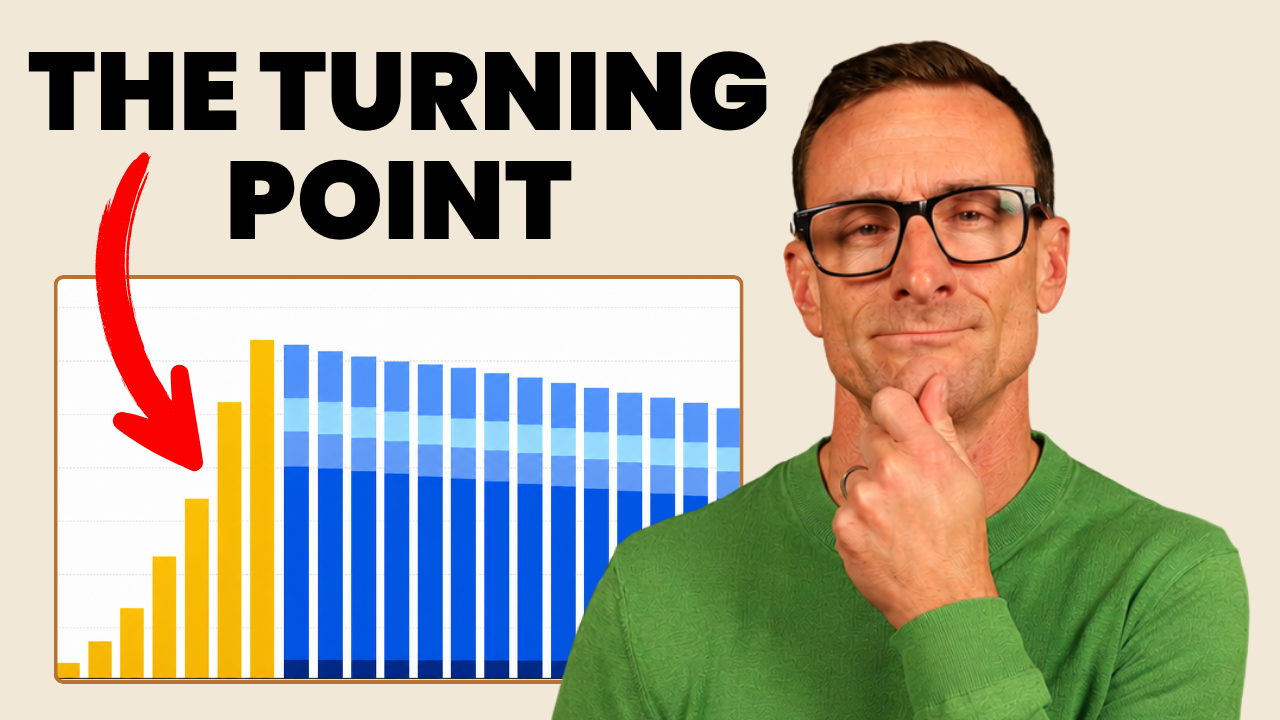
For decades, many people focus on reaching a specific retirement savings goal. While accumulating wealth is important, what happens after you retire can have an even greater impact on your long-term financial security. In fact, the first five years in retirement often determine whether your savings will successfully support you for decades to come.
Why the First Five Years in Retirement Are So Important
The transition from earning a paycheck to relying on your investment portfolio creates a completely different financial environment. During your working years, market declines can actually benefit you because you’re continuing to invest. Once retirement begins, however, you’re withdrawing money while your investments are still exposed to market volatility.
This combination can create what’s known as sequence of returns risk. If significant market losses occur early in retirement while you’re taking withdrawals, your portfolio may have far less opportunity to recover.
Research has shown that retirement outcomes are heavily influenced by investment performance during these early years, making careful planning essential.
A Different Mindset for Retirement
Many retirees make one of two mistakes. Some remain aggressively invested without preparing for market downturns. Others become overly conservative, sacrificing long-term growth that may be needed during a retirement lasting 25 to 30 years or more.
The better approach is finding balance—maintaining growth potential while creating protection against short-term market declines.
Three Strategies to Strengthen Your Retirement Plan
Build a Cash Reserve
Keeping several years of anticipated spending in cash or high-quality short- to intermediate-term fixed-income investments can reduce the need to sell stocks during a market decline. This reserve gives your growth investments time to recover before they’re needed for income.
Establish Spending Guardrails
Rather than withdrawing the same amount regardless of market conditions, create predetermined spending adjustments. If your portfolio performs exceptionally well, you may safely increase spending. If markets decline significantly, temporarily reducing discretionary expenses can dramatically improve the longevity of your retirement savings.
Having these decisions made in advance removes much of the emotion that often accompanies market volatility.
Plan for Taxes and Income Sources
Retirement income frequently comes from multiple accounts with different tax treatments. Coordinating withdrawals from taxable accounts, retirement accounts, Roth accounts, and Social Security benefits can improve tax efficiency and help preserve your portfolio over the long term.
Retirement Success Depends on Preparation
No one can predict when the next bear market will occur. Successful retirement planning isn’t about forecasting the future—it’s about preparing for multiple possible outcomes.
The first five years in retirement deserve special attention because they represent the period when your portfolio is most vulnerable. Building a thoughtful withdrawal strategy, maintaining appropriate reserves, and creating clear decision-making rules can help protect your financial future while giving you greater confidence to enjoy retirement.
The goal isn’t simply reaching retirement. It’s building a plan that allows your savings to support the lifestyle you’ve worked so hard to achieve for decades to come.
The Retirement Recap
Join the 1,000+ other retirees and get weekly articles and videos to help you retire with confidence. Subscribers also gain access to our private monthly client memo.
Seek Professional Guidance
Navigating retirement decisions can be complex. Consulting with a certified financial planner can provide personalized insights and strategies tailored to your unique circumstances. Whether you’re nearing retirement or planning ahead, expert advice can help you optimize your Social Security benefits and achieve greater financial confidence in your retirement years.
This does not constitute an investment recommendation. Investing involves risk. Past performance is no guarantee of future results. Consult your financial advisor for what is appropriate for you. Disclosures: https://onedegreeadvisors.com/disclosure/