

Saving is only half the job. The harder question is how to turn those savings into a paycheck that lasts. A sound retirement plan answers that by coordinating income, taxes and investments, not by chasing a magic portfolio number.
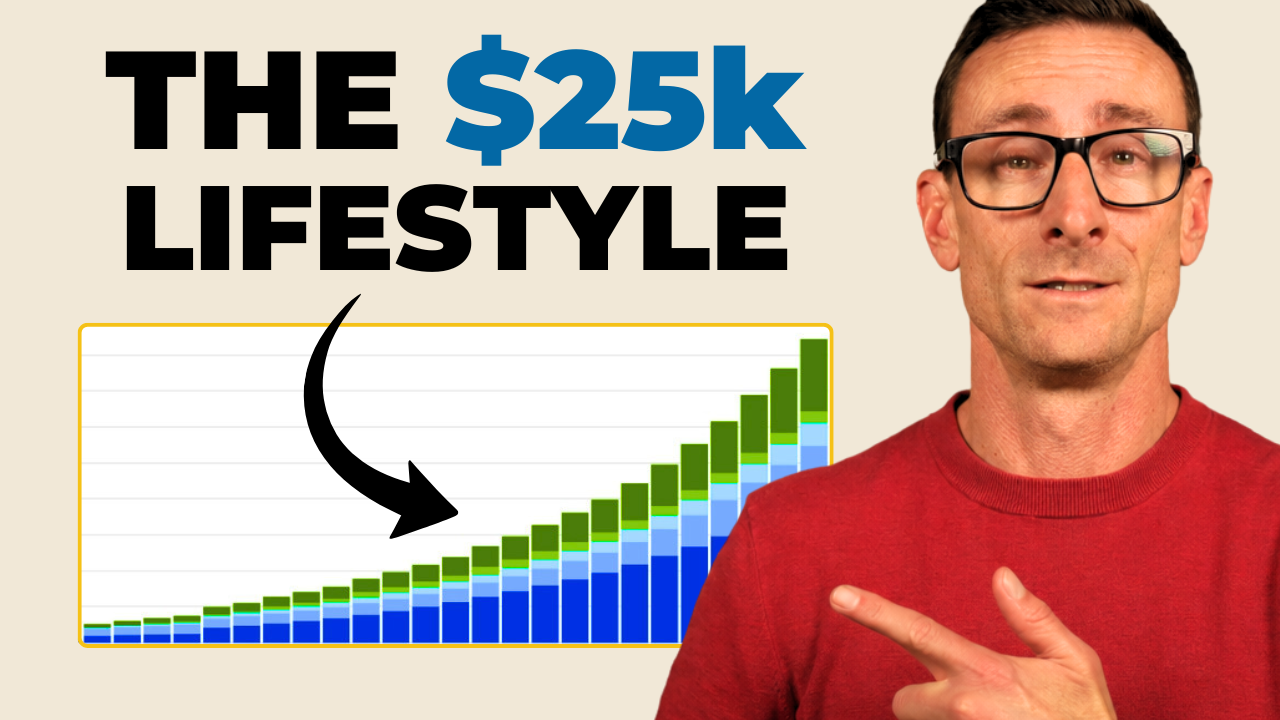
Take Ken, 62, and Sandy, 59, who plan to retire in just over two years. They want to travel, spend time with their kids and grandkids, and volunteer. Their target is $25,000 a month.
What $25,000 a Month Covers
The number makes more sense once you break it down:
- Core living expenses: about $11,000
- Discretionary spending: $4,000 for hobbies, entertainment and home projects
- Travel: $5,000
- Mortgage: $2,900, for the first eight years of retirement
- Health insurance: $2,200 combined, until Medicare begins at 65
They have also budgeted $55,000 for a new car.
Why the 4% Rule Falls Short
Simple math says $300,000 a year at a 4% withdrawal rate requires $7.5 million. Ken and Sandy have about $4.2 million today across 401(k)s, IRAs, a Roth IRA and a brokerage account, plus $125,000 in cash. With continued contributions, they project just over $5 million at retirement. That figure is an estimate, not a certainty.
After taxes and inflation, the first-year withdrawal is closer to $372,000, or 7.3% of the portfolio. That looks alarming, but the 4% rule assumes flat, inflation-adjusted spending for 30 years. Their spending looks more like a hill: steep at first, then leveling out as costs fall away.
The mortgage ends eight years in. Health insurance premiums stop at Medicare. Around year seven, Social Security starts for both. The early years are expensive by design, because they want to travel while they are healthy.
Social Security Timing in Their Retirement Plan
Ken’s benefit at full retirement age is $3,900 a month and Sandy’s is $2,700. If both live into their mid-90s, deferring as long as possible wins. If Ken dies at 85 and Sandy lives to 95, her best claiming age shifts to as early as 62.
In both cases, Ken deferring to 70 carries the most weight. His benefit grows to about $4,800 a month, and a surviving spouse steps up to the higher of the two benefits. His decision becomes Sandy’s foundation if she is on her own.
Sandy plans to claim at 67 but can move earlier if markets turn difficult. Both benefits begin in the same calendar year, and the load on the portfolio drops.
Guardrails Instead of Guesswork
Guardrails are rules set in advance for when to adjust spending and by how much, so the decision is never emotional.
With middle-of-the-road settings, the plan came up about $1,200 a month short. Higher-income settings reach the target with a $1,000 monthly surplus. The trade-off is a somewhat higher chance of cutting back later.
If the portfolio falls to about $3.3 million, 34% below the projected start, spending drops by $1,000 a month. Their discretionary budget can absorb that without touching essentials or travel. If it grows to about $8.4 million, they get a raise.
Using the Tax Valley
Between retirement and the start of Social Security and required minimum distributions, their taxable income drops sharply. That window is the tax valley, and it is the time for Roth conversions.
Converting through the 24% bracket is projected to save $885,000 in lifetime taxes, but it means sizable tax bills in the early years. Converting through the 22% bracket saves less and is easier to sustain.
Ken and Sandy lean toward the aggressive path for two reasons. They expect tax rates to rise. And when one spouse dies, the survivor loses a Social Security benefit and files as a single taxpayer. The decision gets revisited every year.
A Portfolio Built for the Early Years
They will withdraw roughly $1 million in the first three years. A market drop during that stretch would force them to sell assets at depressed prices while withdrawals continue. That is sequence of returns risk.
Their answer is a war chest: about 20% of the portfolio, around $1 million, in cash and high-quality bonds. It covers roughly three years of withdrawals and gives the remaining 80% in growth assets time to recover.
Each account has a job:
- Brokerage account: drawn first, so it holds some stability
- Sandy’s Roth IRA: 100% stocks, because it has the longest runway
- Pretax 401(k)s and IRAs: positioned from moderate to growth
The Takeaway
“Do we have enough?” is the wrong place to stop. Ask whether your retirement plan shows how the portfolio becomes a paycheck, what it costs in taxes, and how it holds up when markets don’t cooperate. When those three work as one system, you can have confidence in the plan.
The Retirement Recap
Join the 1,000+ other retirees and get weekly articles and videos to help you retire with confidence. Subscribers also gain access to our private monthly client memo.
Seek Professional Guidance
Navigating retirement decisions can be complex. Consulting with a certified financial planner can provide personalized insights and strategies tailored to your unique circumstances. Whether you’re nearing retirement or planning ahead, expert advice can help you optimize your Social Security benefits and achieve greater financial confidence in your retirement years.
This does not constitute an investment recommendation. Investing involves risk. Past performance is no guarantee of future results. Consult your financial advisor for what is appropriate for you. Disclosures: https://onedegreeadvisors.com/disclosure/