

For many high-net-worth retirees, the biggest financial risk in retirement is not market volatility. It is taxes.
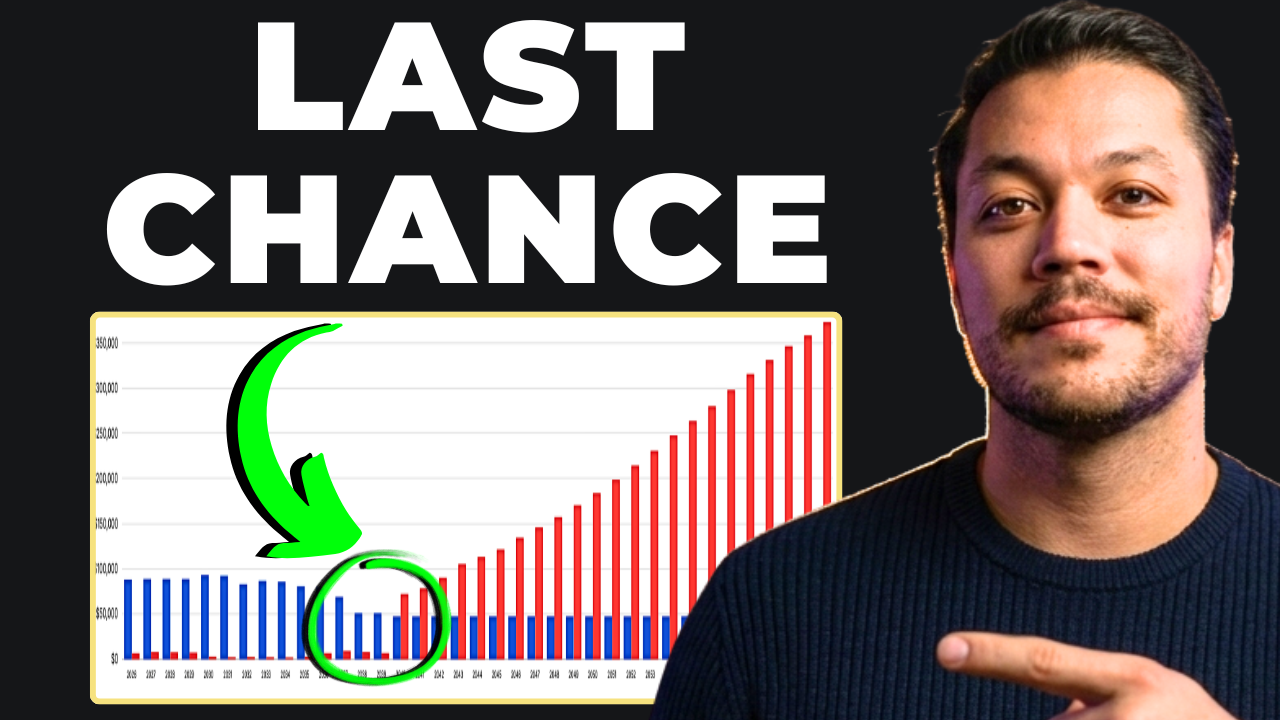
What surprises many affluent households is that there is often a limited period of time after retirement when their tax situation becomes unusually flexible. This period is commonly referred to as the retirement tax window, and missing it can lead to millions of dollars in unnecessary lifetime taxes.
Understanding how this window works can help retirees create more efficient withdrawal strategies, reduce future Required Minimum Distributions (RMDs), and improve long-term wealth transfer opportunities.
What Is the Retirement Tax Window?
The retirement tax window typically begins the moment someone retires and ends when Required Minimum Distributions begin in their 70s.
During this period, many retirees experience a temporary drop in taxable income. Employment income disappears, Social Security benefits may not have started yet, and mandatory IRA withdrawals are still years away.
For affluent retirees with large traditional IRA balances, this creates a rare opportunity to proactively manage taxes at potentially lower rates.
Instead of allowing large pre-tax retirement accounts to continue growing unchecked, retirees can strategically reposition assets while they still control how much taxable income appears on their return.
Why This Window Matters So Much
Many retirees assume taxes will naturally decline once they stop working. In reality, retirees with substantial retirement accounts often face higher taxes later in life.
As traditional IRAs continue compounding, Required Minimum Distributions can become extremely large. Combined with Social Security income, investment income, and capital gains, these forced withdrawals may push retirees into higher tax brackets later in retirement.
The consequences extend beyond ordinary income taxes.
Large future RMDs can also:
- Increase Medicare premium surcharges
- Trigger higher taxation of Social Security benefits
- Reduce flexibility during market downturns
- Create larger tax burdens for heirs
For retirees with portfolios exceeding $5 million, the long-term tax impact can become significant.
Strategies Often Used During the Retirement Tax Window
One of the most common strategies used during this period is partial Roth conversions.
A Roth conversion allows retirees to move money from traditional IRAs into Roth accounts while intentionally controlling the amount of taxable income recognized each year.
When coordinated carefully, this strategy may help:
- Reduce future RMDs
- Lower projected lifetime taxes
- Create tax-free growth opportunities
- Improve estate planning flexibility
- Provide more predictable retirement income planning
Other strategies during the retirement tax window may include:
- Strategic capital gain harvesting
- Coordinated withdrawal sequencing
- Delayed Social Security planning
- Charitable giving strategies
- Tax bracket management
The key is coordination. Decisions about withdrawals, investments, Social Security, and tax planning all affect one another.
The Cost of Waiting
The biggest mistake many affluent retirees make is assuming they can address taxes later.
Unfortunately, once Required Minimum Distributions begin, much of the flexibility disappears. Retirees are often forced to recognize large amounts of taxable income whether they need the money or not.
That is why the retirement tax window is so important. It represents a limited period when retirees may have unusually high control over their future tax exposure.
For households with significant retirement assets, proactive planning during this phase can potentially save hundreds of thousands — and in some cases millions — in lifetime taxes.
The Retirement Recap
Join the 1,000+ other retirees and get weekly articles and videos to help you retire with confidence. Subscribers also gain access to our private monthly client memo.
Seek Professional Guidance
Navigating retirement decisions can be complex. Consulting with a certified financial planner can provide personalized insights and strategies tailored to your unique circumstances. Whether you’re nearing retirement or planning ahead, expert advice can help you optimize your Social Security benefits and achieve greater financial confidence in your retirement years.
This does not constitute an investment recommendation. Investing involves risk. Past performance is no guarantee of future results. Consult your financial advisor for what is appropriate for you. Disclosures: https://onedegreeadvisors.com/disclosure/