

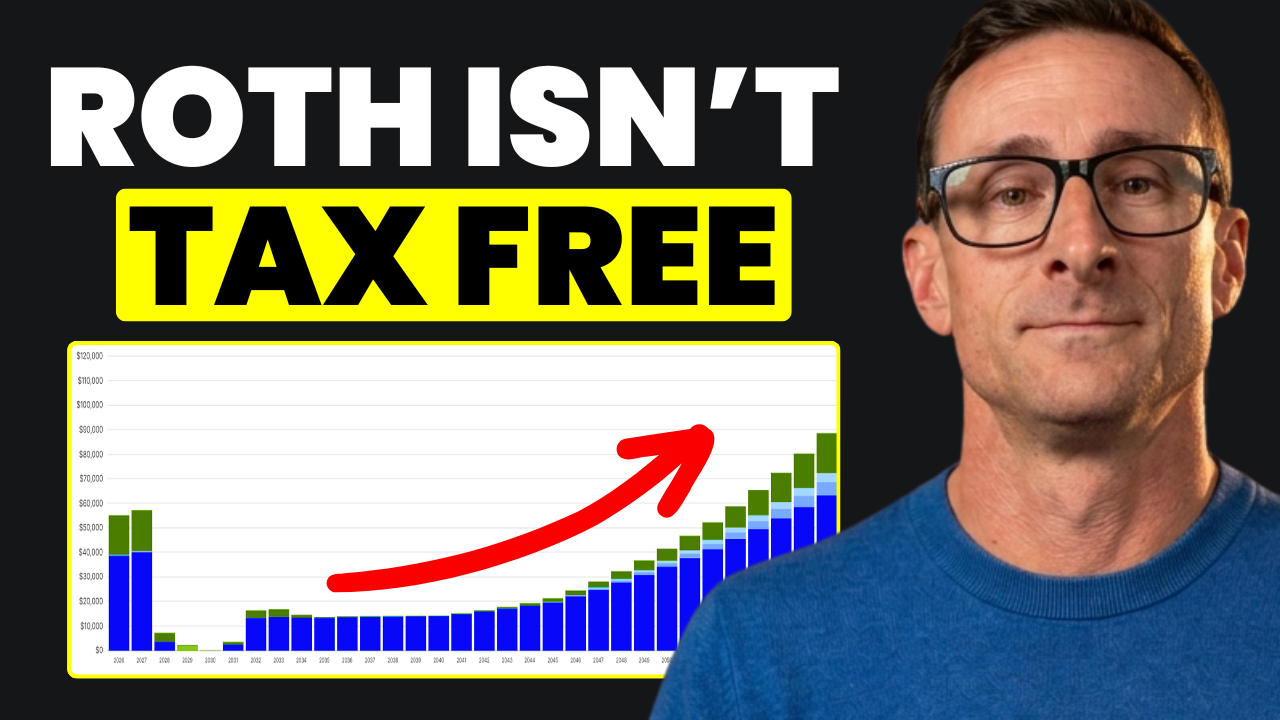
A Retirement Roth Conversion can be one of the most powerful tax-planning strategies available to retirees. Converting traditional IRA assets into a Roth IRA may reduce future required minimum distributions, create tax-free income later in retirement, and improve long-term flexibility.
But many retirees make the mistake of converting too quickly without understanding the ripple effects. A Roth conversion can impact healthcare costs, Medicare premiums, and your overall tax situation in ways that are easy to overlook.
Before moving forward with a Retirement Roth Conversion, make sure you do these three things first.
Understand Your Future Tax Bracket
The main reason to complete a Roth conversion is simple: pay taxes now at a lower rate to avoid potentially higher taxes later.
That sounds straightforward, but many retirees fail to project what their future income could actually look like. Social Security, pensions, required minimum distributions (RMDs), and investment income can eventually push retirees into higher tax brackets than expected.
The years between retirement and age 73 are often considered a “tax planning window.” During this period, income may temporarily drop, creating an opportunity to convert IRA money at lower tax rates.
However, converting too much in one year can also push you into a higher bracket unnecessarily. The goal is not just to convert — it is to convert strategically.
A smart Retirement Roth Conversion plan usually involves calculating:
- Current taxable income
- Future RMD estimates
- Social Security timing
- Long-term tax exposure
- How much room remains in your current bracket
Small, controlled conversions over multiple years are often more effective than one large conversion.
Check How It Impacts Healthcare Costs
One of the biggest hidden issues with a Retirement Roth Conversion is healthcare.
If you retire before age 65 and purchase insurance through the Affordable Care Act marketplace, a Roth conversion can increase your modified adjusted gross income (MAGI). That increase may reduce or completely eliminate ACA premium subsidies.
In some cases, retirees save a few thousand dollars in future taxes but lose even more in healthcare assistance during the conversion year.
This is why Roth conversion planning should never happen in isolation. Taxes and healthcare planning must work together.
Before converting, calculate:
- Expected ACA subsidy levels
- How much additional income the conversion creates
- Whether crossing income thresholds could raise insurance costs
A conversion that looks beneficial on paper may become much less attractive after accounting for healthcare expenses.
Watch Out for Medicare IRMAA Surcharges
Once retirees enroll in Medicare, Roth conversions can create another potential problem: IRMAA.
IRMAA stands for Income-Related Monthly Adjustment Amount. This surcharge increases Medicare Part B and Part D premiums when income exceeds certain thresholds.
A large Retirement Roth Conversion can unintentionally push retirees above those limits, leading to significantly higher Medicare premiums for an entire year.
What catches many people off guard is the timing. Medicare looks back two years when determining IRMAA charges. That means a conversion today could increase premiums years later.
Careful income management is critical. In many cases, retirees benefit from converting only enough each year to remain below key IRMAA thresholds.
Final Thoughts
A Retirement Roth Conversion can be an excellent long-term strategy, but timing and coordination matter. Taxes, healthcare costs, and Medicare premiums all interact with one another.
Before converting retirement assets, make sure you:
- Understand your future tax bracket
- Evaluate healthcare subsidy impacts
- Monitor Medicare IRMAA thresholds
Done correctly, Roth conversions can create substantial long-term benefits. Done carelessly, they can trigger avoidable costs that reduce the overall advantage.
The Retirement Recap
Join the 1,000+ other retirees and get weekly articles and videos to help you retire with confidence. Subscribers also gain access to our private monthly client memo.
Seek Professional Guidance
Navigating retirement decisions can be complex. Consulting with a certified financial planner can provide personalized insights and strategies tailored to your unique circumstances. Whether you’re nearing retirement or planning ahead, expert advice can help you optimize your Social Security benefits and achieve greater financial confidence in your retirement years.
This does not constitute an investment recommendation. Investing involves risk. Past performance is no guarantee of future results. Consult your financial advisor for what is appropriate for you. Disclosures: https://onedegreeadvisors.com/disclosure/