

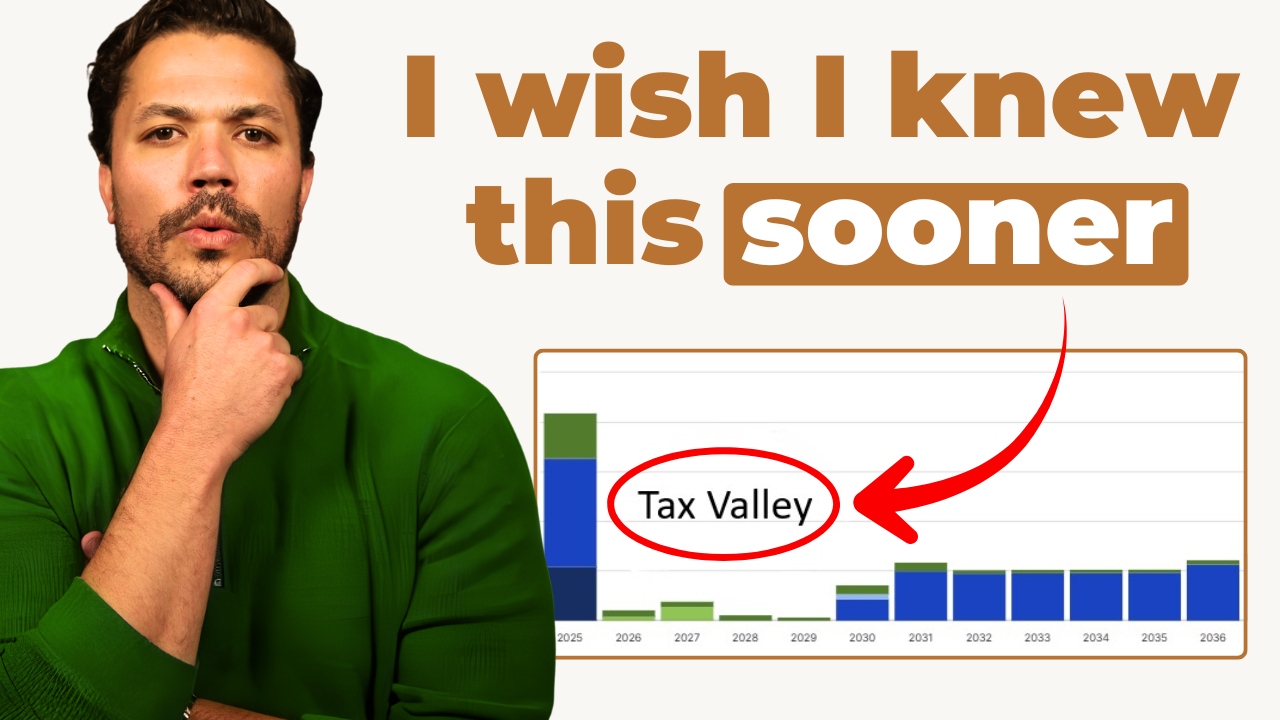
If you’re approaching age 70 and have most of your retirement savings in tax-deferred accounts like IRAs or 401(k)s, it’s crucial to understand what to do before RMDs begin. Once Required Minimum Distributions (RMDs) start—usually at age 73—you lose flexibility and may face higher tax bills than expected.
With thoughtful planning during the years just before RMDs, you can make your retirement income more predictable and avoid costly surprises. Here’s a strategic approach to help you get ahead of it.
Understand the Value of Control Years
The years between retirement and when RMDs begin are often called your “control years.” These are the years when you still have the freedom to manage how much taxable income you generate. Once RMDs kick in, the IRS starts dictating minimum withdrawals from your retirement accounts, reducing your ability to manage your tax bracket.
Knowing what to do before RMDs means using these control years to proactively shape your financial future.
A Real-World Example: Preparing at Age 70
Consider the case of Alex, a 70-year-old retiree with substantial IRA savings. Alex isn’t trying to game the system—he just wants predictable taxes and a smooth retirement.
Alex still has a few years before RMDs begin, which means he has time to take action. By initiating partial Roth conversions or intentionally withdrawing from pre-tax accounts now, Alex can reduce the size of his retirement account balances and thus lower future RMDs. These steps are key in understanding what to do before RMDs.
Financial planning software helps visualize the impact. Income is categorized by source—pre-tax, Social Security, and others—making it easier to balance withdrawals and manage taxable income year by year.
The Impact of Early Planning
Failing to act during control years can lead to sharp tax increases later in retirement. RMDs combined with Social Security and other income sources can push retirees into higher tax brackets unexpectedly.
On the other hand, taking steps before RMDs can:
- Minimize lifetime tax burdens
- Improve long-term cash flow
- Avoid year-over-year tax fluctuations
- Provide more control over retirement finances
What You Can Do Now
If you’re nearing age 70, it’s time to think seriously about what to do before RMDs. Focus on:
- Evaluating your current tax bracket
- Considering partial Roth conversions
- Managing withdrawals to stay in favorable tax ranges
- Using planning tools to model different scenarios
You don’t need to be aggressive or take major risks. Even simple, deliberate actions can lead to a more efficient and stress-free retirement.
The Retirement Recap
Join the 1,000+ other retirees and get weekly articles and videos to help you retire with confidence. Subscribers also gain access to our private monthly client memo.
Seek Professional Guidance
Navigating retirement decisions can be complex. Consulting with a certified financial planner can provide personalized insights and strategies tailored to your unique circumstances. Whether you’re nearing retirement or planning ahead, expert advice can help you optimize your Social Security benefits and achieve greater financial confidence in your retirement years.
This does not constitute an investment recommendation. Investing involves risk. Past performance is no guarantee of future results. Consult your financial advisor for what is appropriate for you. Disclosures: https://onedegreeadvisors.com/disclosure/