

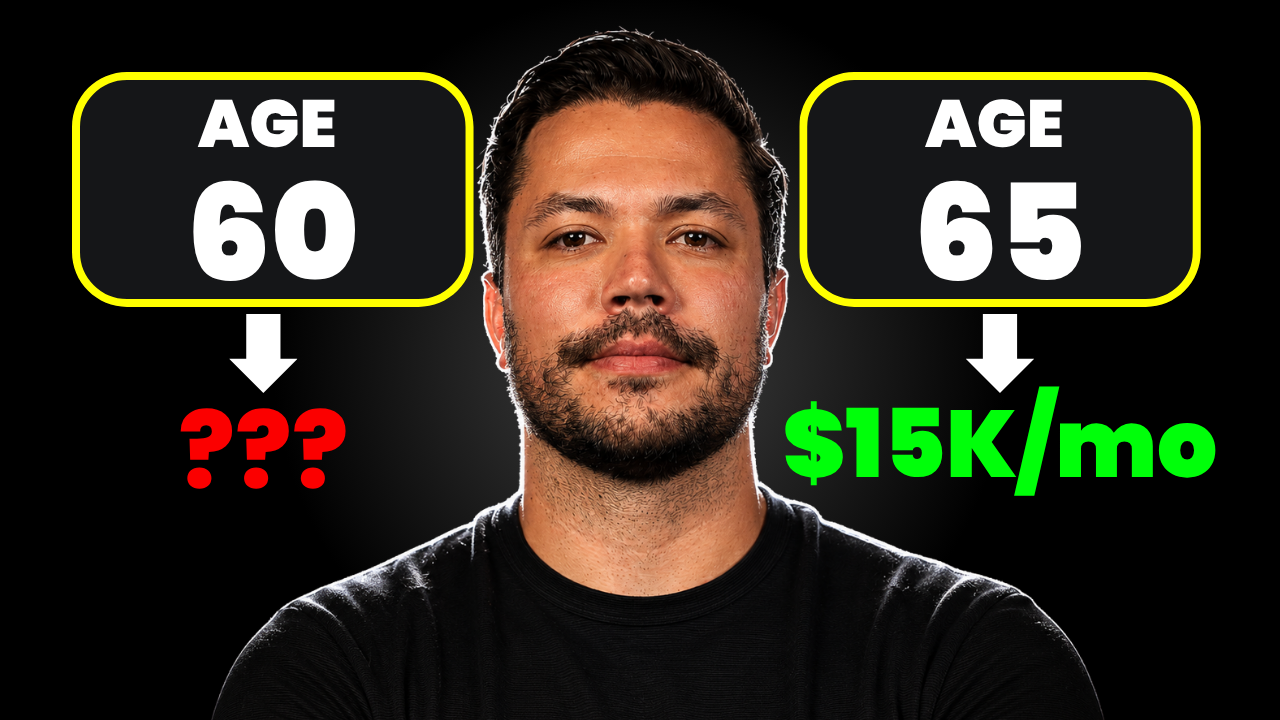
Many people approaching retirement focus on a single question: Is a $3M retirement portfolio enough? While portfolio size certainly matters, the real difference between retiring at age 60 and waiting until age 65 often comes down to taxes, healthcare costs, and income planning rather than investment returns alone.
A $3 Million Portfolio May Be More Durable Than You Think
Consider a couple with $3 million saved for retirement. Their assets include traditional IRAs, Roth accounts, and taxable brokerage investments. They plan to spend approximately $15,000 per month throughout retirement.
At first glance, retiring at 60 may appear riskier because it requires five additional years of withdrawals. However, retirement projections often show that both a retirement at 60 and a retirement at 65 can be financially sustainable when supported by a well-structured withdrawal strategy.
The difference in potential monthly spending may be surprisingly small, despite working five extra years. This highlights an important lesson: retirement success is not determined solely by the size of the portfolio.
The Hidden Advantage of Retiring at 60
One of the biggest benefits of retiring at 60 is control over taxable income.
Before Social Security benefits begin and long before required minimum distributions (RMDs) start, retirees have significant flexibility in deciding where their income comes from. Withdrawals can be strategically taken from taxable accounts, Roth accounts, or traditional retirement accounts to manage tax exposure.
This creates a valuable planning window that can last several years. Properly used, it can reduce lifetime taxes and improve overall retirement efficiency.
Healthcare Is the Real Challenge
The largest obstacle for many early retirees is healthcare coverage.
Retirees who leave the workforce at 60 must bridge the gap until Medicare eligibility at age 65. Health insurance premiums can become a substantial expense during these years.
For individuals using Affordable Care Act (ACA) marketplace coverage, income management becomes especially important. Premium subsidies are often tied to reported income levels, meaning retirement withdrawal decisions can directly impact healthcare costs.
As subsidy rules evolve, early retirees must carefully coordinate spending, withdrawals, and tax planning to avoid unexpected increases in insurance expenses.
Why Tax Planning Matters More Than Portfolio Growth
Many investors assume that working five additional years automatically creates a much better retirement outcome. In reality, the added benefit may be modest compared with the opportunities available through proactive tax planning.
Strategic Roth conversions, thoughtful withdrawal sequencing, and income management can potentially save significant amounts over a lifetime. These decisions often have a greater impact than simply accumulating a slightly larger portfolio.
The Bottom Line
A $3M retirement can provide a strong foundation for financial independence. The more important question is not whether $3 million is enough, but how effectively you use the years leading up to Medicare, Social Security, and required retirement account withdrawals.
For many households, retiring at 60 can be a realistic option when paired with a thoughtful tax and healthcare strategy. Understanding these planning opportunities may be the key to getting more value from your retirement years.
The Retirement Recap
Join the 1,000+ other retirees and get weekly articles and videos to help you retire with confidence. Subscribers also gain access to our private monthly client memo.
Seek Professional Guidance
Navigating retirement decisions can be complex. Consulting with a certified financial planner can provide personalized insights and strategies tailored to your unique circumstances. Whether you’re nearing retirement or planning ahead, expert advice can help you optimize your Social Security benefits and achieve greater financial confidence in your retirement years.
This does not constitute an investment recommendation. Investing involves risk. Past performance is no guarantee of future results. Consult your financial advisor for what is appropriate for you. Disclosures: https://onedegreeadvisors.com/disclosure/