

Many retirees are taught to focus on dividend-paying investments to generate income in retirement. The logic sounds simple: live off the dividends and never touch the principal. While that approach may sound safe, relying too heavily on dividend income can actually create serious financial risk.
Why Building Retirement Income Around Dividends Can Be Risky
Many investors assume that large, well-known companies will continue paying reliable dividends forever. History shows otherwise. During the 2008 financial crisis, companies once considered stable dramatically reduced their payouts. Wells Fargo, for example, cut its dividend by roughly 85% during the crisis. Retirees depending on that income suddenly faced a major drop in cash flow at the exact moment markets were already falling.
The same issue happened more recently with AT&T. After decades of dividend growth, the company reduced its payout significantly following corporate restructuring. Investors who built their retirement income plans around that dividend experienced an unexpected reduction in monthly income.
These examples highlight an important reality about income in retirement: dividend income is tied directly to corporate decisions and economic conditions.
Diversification Doesn’t Eliminate the Risk
Some retirees believe dividend ETFs or income-focused mutual funds solve the problem because they own many companies instead of individual stocks. Diversification certainly helps reduce company-specific risk, but it does not eliminate the underlying issue.
When economic conditions weaken, many companies reduce or suspend dividends at the same time. During 2020, thousands of companies worldwide cut or eliminated their dividend payments in a single quarter. As a result, many dividend-focused funds also reduced their payouts.
This creates a difficult situation for retirees. Market values may decline while income payments fall simultaneously. That combination can force investors to sell assets during downturns simply to cover living expenses.
A More Flexible Retirement Income Strategy
Instead of relying entirely on dividends, many financial professionals recommend building a total return strategy for income in retirement.
A total return approach focuses on the entire portfolio rather than just the income generated from dividends or interest. This allows retirees to combine growth investments, dividends, bonds, and strategic withdrawals to create a more stable and flexible income plan.
The advantage of this strategy is adaptability.
In years when markets perform well, retirees may withdraw gains from appreciated investments. In weaker markets, they may rely more heavily on cash reserves or fixed-income assets instead of selling stocks at depressed prices.
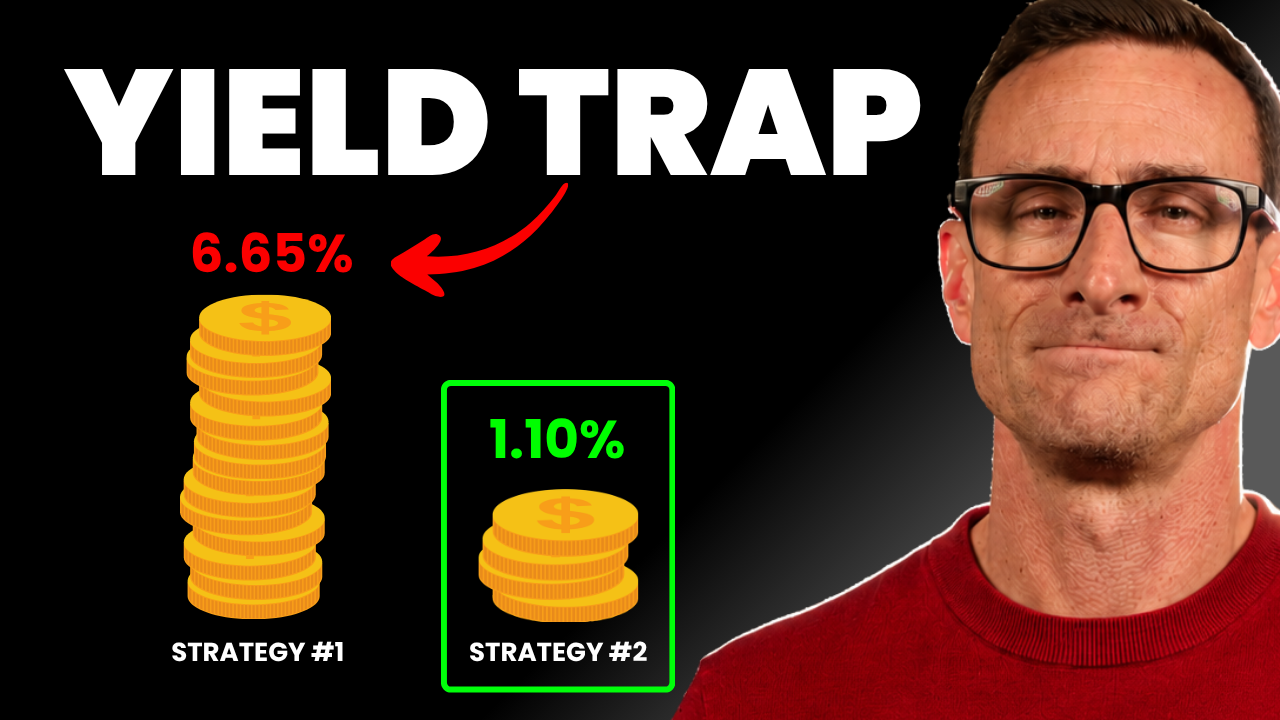
This approach also helps investors avoid chasing high dividend yields, which can sometimes signal financial weakness rather than safety.
The Goal Is Stability, Not Yield
Successful retirement planning is not about generating the highest possible dividend yield. It is about creating dependable income that can survive market downturns, inflation, and changing economic conditions.
A well-structured retirement income plan should provide flexibility, diversification, and long-term growth potential. Dividend-paying investments can still play an important role, but they should be part of a broader strategy rather than the entire foundation.
For retirees, the goal is not simply to avoid touching principal. The real objective is building a sustainable plan that supports financial security for decades.
The Retirement Recap
Join the 1,000+ other retirees and get weekly articles and videos to help you retire with confidence. Subscribers also gain access to our private monthly client memo.
Seek Professional Guidance
Navigating retirement decisions can be complex. Consulting with a certified financial planner can provide personalized insights and strategies tailored to your unique circumstances. Whether you’re nearing retirement or planning ahead, expert advice can help you optimize your Social Security benefits and achieve greater financial confidence in your retirement years.
This does not constitute an investment recommendation. Investing involves risk. Past performance is no guarantee of future results. Consult your financial advisor for what is appropriate for you. Disclosures: https://onedegreeadvisors.com/disclosure/