

Retirement changes the way income is generated. During your working years, a paycheck arrives on a predictable schedule regardless of what the stock market is doing. In retirement, many investors suddenly find themselves relying on portfolio withdrawals that can be heavily influenced by market conditions.
A well-designed retirement income strategy aims to solve that problem by creating a dependable income stream while protecting long-term growth.
Why Retirement Income Planning Matters
One of the biggest risks retirees face is allowing market volatility to dictate when and how much money they withdraw. Selling investments during a market downturn can permanently damage a portfolio and increase the risk of running out of money later in life.
A successful retirement income strategy separates spending needs from short-term market fluctuations. Instead of reacting to headlines or market swings, retirees can follow a structured plan designed to provide consistent cash flow.
The Four-Bucket Retirement Income Strategy
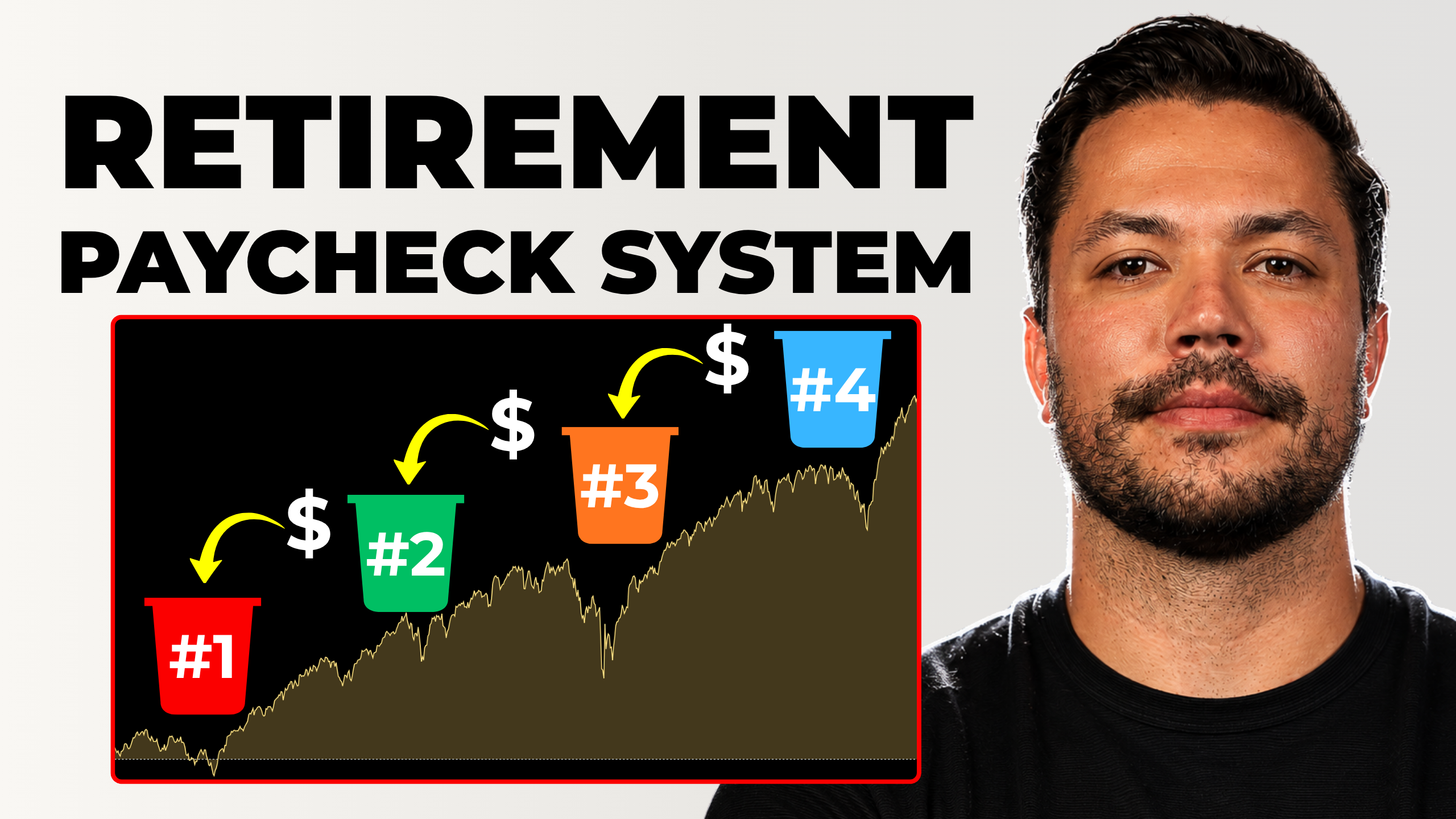
A practical way to create retirement income is by dividing assets into four distinct investment categories, each serving a specific purpose.
Bucket 1: Cash for Monthly Income
The first bucket contains approximately 12 months of essential living expenses in a money market or cash-equivalent account. This bucket functions as the retiree’s paycheck account, providing money for housing, food, insurance, utilities, and other recurring expenses.
Because this money is already set aside, retirees do not need to sell investments during unfavorable market conditions to cover monthly spending.
Bucket 2: Bonds and Stability
The second bucket focuses on high-quality bonds and other conservative investments. Its role is to provide stability and serve as a backup source of income when stock market returns are weak.
This bucket helps reduce portfolio volatility while supporting future income needs.
Bucket 3: Trend-Following Investments
The third bucket is designed to respond differently than traditional stock and bond investments. Trend-following strategies can potentially perform well during challenging market environments, providing an additional source of liquidity when other assets are struggling.
This creates another layer of protection for retirement income.
Bucket 4: Long-Term Growth
The final bucket contains growth-oriented investments such as diversified stock holdings. This portion of the portfolio is designed to generate long-term appreciation and help combat inflation throughout retirement.
Because spending needs are covered by the other buckets, growth investments have more time to recover from market downturns.
How the System Works
The strength of this retirement income strategy comes from the way the buckets work together.
When markets are performing well, gains from growth investments can be used to replenish income reserves. During difficult markets, retirees can draw from more stable assets instead of selling stocks at depressed prices.
This disciplined approach helps reduce emotional decision-making and creates a repeatable process for generating retirement income.
Final Thoughts
A retirement income strategy should provide more than investment returns—it should provide confidence. By organizing assets into distinct buckets with specific jobs, retirees can create a reliable paycheck, reduce the impact of market volatility, and maintain a long-term perspective.
The goal is simple: generate the income you need today while preserving the assets you may need tomorrow.
The Retirement Recap
Join the 1,000+ other retirees and get weekly articles and videos to help you retire with confidence. Subscribers also gain access to our private monthly client memo.
Seek Professional Guidance
Navigating retirement decisions can be complex. Consulting with a certified financial planner can provide personalized insights and strategies tailored to your unique circumstances. Whether you’re nearing retirement or planning ahead, expert advice can help you optimize your Social Security benefits and achieve greater financial confidence in your retirement years.
This does not constitute an investment recommendation. Investing involves risk. Past performance is no guarantee of future results. Consult your financial advisor for what is appropriate for you. Disclosures: https://onedegreeadvisors.com/disclosure/