

Retirement changes more than your daily routine. It changes how your income is taxed. While many retirees focus on growing their savings, far fewer pay attention to how those savings are withdrawn. The reality is that retirement tax planning can have a significant impact on long-term wealth.
One of the most important concepts to understand is the retirement tax bracket you occupy each year. A small increase in income can sometimes trigger a much larger tax burden than expected, making strategic planning essential.
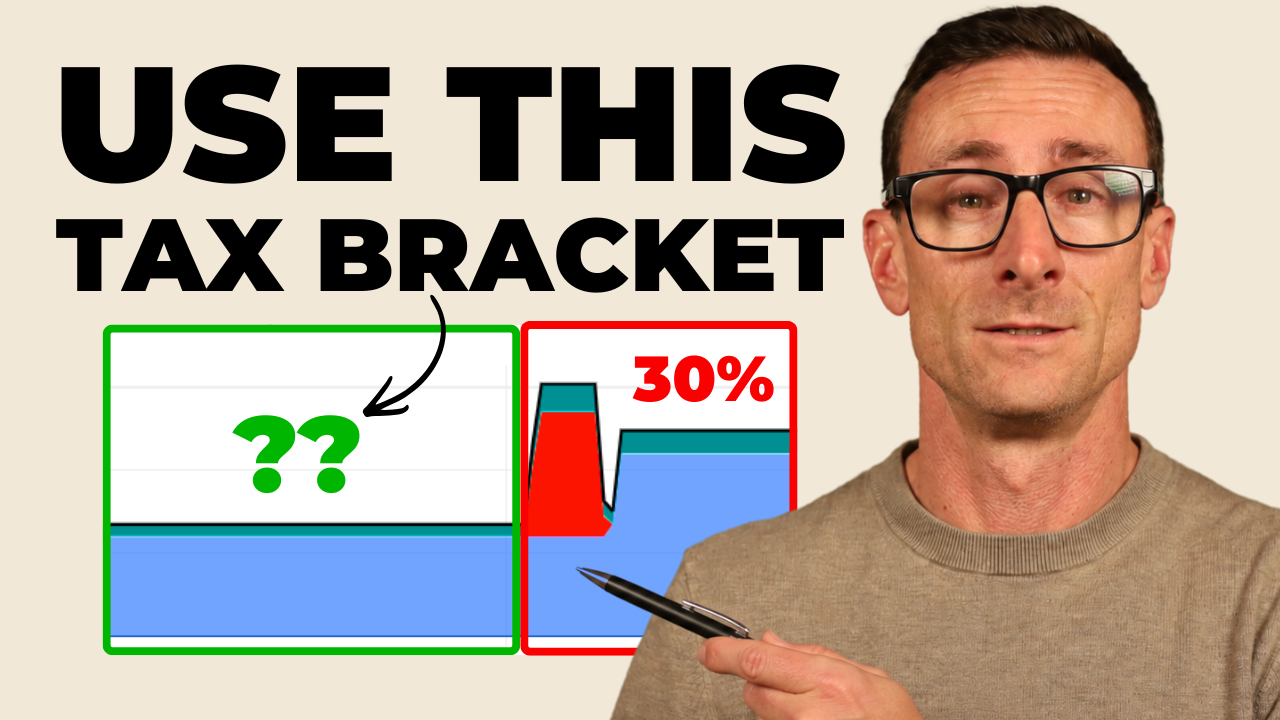
The Hidden Tax Spike in Retirement
Many retirees assume tax rates increase gradually as income rises. However, retirement introduces additional variables that can create a sharp increase in effective tax rates.
Income from Social Security, traditional IRAs, brokerage accounts, pensions, and Roth accounts all interact differently within the tax code. As certain income thresholds are crossed, retirees may face increased taxation on Social Security benefits and higher Medicare-related costs.
This creates what many planners refer to as a tax spike, a point where additional income produces disproportionately higher taxes.
Understanding the Retirement Tax Valley
Between retirement and the start of required minimum distributions (RMDs), many retirees enter a period with relatively low taxable income. This window is often called the retirement tax valley.
During these years, retirees may have an opportunity to intentionally generate taxable income while remaining within a favorable retirement tax bracket. Rather than viewing taxes as something to avoid entirely, the goal becomes paying taxes strategically at lower rates today to reduce larger tax bills later.
By taking advantage of this period, retirees can position themselves for greater flexibility in the future and potentially reduce their overall lifetime tax burden.
How Roth Conversions Can Help
One of the most effective strategies during the tax valley is a Roth conversion.
By converting a portion of a traditional IRA to a Roth IRA while remaining within a lower tax bracket, retirees can reduce future RMDs and create tax-free growth potential. The converted funds are taxed today, but future qualified withdrawals from the Roth account can be tax-free.
This approach can also help limit future exposure to higher tax brackets and reduce the impact of Social Security taxation. In many cases, a carefully planned Roth conversion strategy allows retirees to smooth out taxable income over multiple years rather than facing large tax bills later in retirement.
A Real-World Example
Consider a retired couple transitioning from employment income to retirement income. Without proactive tax planning, they may simply withdraw funds from taxable brokerage accounts and delay addressing their IRA balances.
Instead, by carefully filling available space within a lower retirement tax bracket and executing Roth conversions during the tax valley years, they can reduce future taxable income and smooth out their lifetime tax burden.
In the example discussed, this strategy was projected to save approximately $165,000 in taxes over three years while also increasing the amount ultimately passed on to heirs.
While every retiree’s situation is unique, the example highlights the value of taking a proactive approach to retirement tax planning rather than waiting until required distributions begin.
The Importance of Annual Tax Planning
Retirement tax planning is not a one-time event. Tax laws, account balances, income sources, and spending needs change over time.
Reviewing your retirement tax bracket annually can help identify opportunities to perform Roth conversions, manage withdrawals efficiently, and avoid costly tax spikes. By understanding the relationship between income and taxation, retirees can make more informed decisions and potentially preserve significantly more wealth over the course of retirement.
The goal is not necessarily to avoid taxes altogether. Instead, it is to pay taxes strategically and at the most favorable rates available. A well-designed retirement income plan can help retirees keep more of what they have worked hard to save while creating greater confidence in their financial future.
The Retirement Recap
Join the 1,000+ other retirees and get weekly articles and videos to help you retire with confidence. Subscribers also gain access to our private monthly client memo.
Seek Professional Guidance
Navigating retirement decisions can be complex. Consulting with a certified financial planner can provide personalized insights and strategies tailored to your unique circumstances. Whether you’re nearing retirement or planning ahead, expert advice can help you optimize your Social Security benefits and achieve greater financial confidence in your retirement years.
This does not constitute an investment recommendation. Investing involves risk. Past performance is no guarantee of future results. Consult your financial advisor for what is appropriate for you. Disclosures: https://onedegreeadvisors.com/disclosure/