

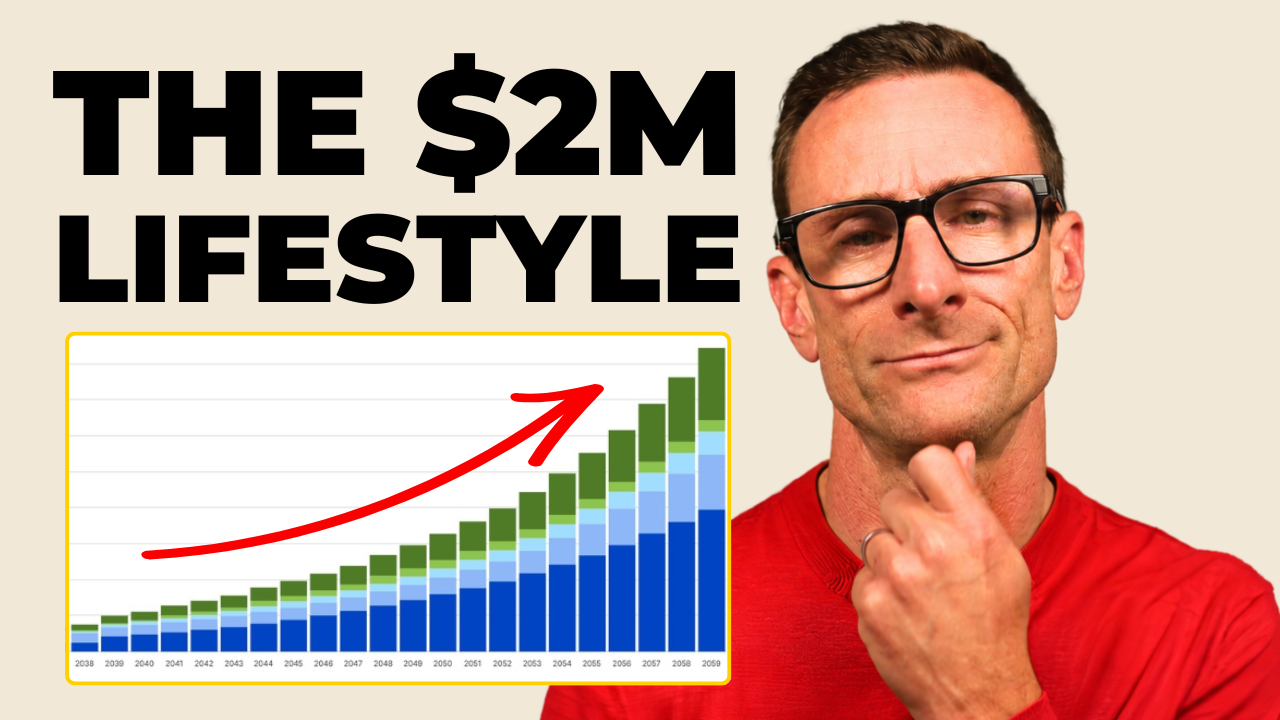
Many retirees assume that reaching a $2 million retirement portfolio automatically guarantees financial freedom. Yet surprisingly, many households with this level of wealth still hesitate to spend confidently. The challenge isn’t simply having enough money, it’s knowing how much you can safely spend while making your savings last throughout retirement.
Why the Traditional 4% Rule Falls Short
The 4% rule has long been a popular retirement guideline. Under this approach, someone with a $2 million portfolio could withdraw approximately $80,000 during the first year of retirement and then increase that amount for inflation each year.
While useful as a starting point, the rule wasn’t designed for every real-life situation. Some retirees experience poor market returns early in retirement, while others end up accumulating far more wealth than they ever spend. In many cases, retirees become overly conservative and sacrifice years of enjoyment because they’re afraid of running out of money.
The better question is not, “What does the rule allow?” but rather, “What spending level supports the life I actually want to live?”
Building a Retirement Spending Plan
A successful retirement plan starts with spending goals rather than withdrawal formulas.
Begin by identifying:
- Essential living expenses
- Healthcare costs
- Travel and leisure goals
- Home maintenance and unexpected expenses
- Legacy or gifting objectives
Once spending needs are defined, retirement income sources such as Social Security, pensions, and investment accounts can be coordinated to support those goals.
For many retirees with $2 million in assets, sustainable spending may be significantly higher or lower than a simple 4% calculation depending on taxes, investment allocation, and future income sources.
Taxes Matter More Than Most Retirees Realize
One of the biggest mistakes retirees make is focusing only on portfolio balances while ignoring taxes.
Withdrawals from traditional retirement accounts can create substantial tax obligations, reducing the amount available for spending. Strategic withdrawal planning can help retirees keep more of their money by coordinating taxable, tax-deferred, and tax-free accounts.
A tax-efficient withdrawal strategy often creates more spending flexibility than simply chasing higher investment returns.
Preparing for Market Downturns
A major retirement risk is sequence of returns risk—the danger of experiencing poor market performance early in retirement while simultaneously taking withdrawals.
When this happens, retirees may be forced to sell investments at depressed prices, potentially damaging long-term portfolio sustainability.
One practical solution is maintaining a dedicated reserve of cash and conservative assets. This “war chest” provides spending money during market declines, reducing the need to sell stocks when values are temporarily down.
The Real Goal of a $2M Retirement
The objective isn’t to die with the largest possible account balance. It’s to use your resources intentionally to support a fulfilling retirement.
A well-designed retirement plan balances confidence, flexibility, tax efficiency, and risk management. For retirees with $2 million, the opportunity is often not finding ways to spend less—but learning how to spend with greater confidence.
The Retirement Recap
Join the 1,000+ other retirees and get weekly articles and videos to help you retire with confidence. Subscribers also gain access to our private monthly client memo.
Seek Professional Guidance
Navigating retirement decisions can be complex. Consulting with a certified financial planner can provide personalized insights and strategies tailored to your unique circumstances. Whether you’re nearing retirement or planning ahead, expert advice can help you optimize your Social Security benefits and achieve greater financial confidence in your retirement years.
This does not constitute an investment recommendation. Investing involves risk. Past performance is no guarantee of future results. Consult your financial advisor for what is appropriate for you. Disclosures: https://onedegreeadvisors.com/disclosure/